


🧠 One Big Thing
Iran just fired missiles at U.S. bases—and stocks went up. Oil tanked. Risk-on returned. Wild, but not new. Markets often rally after war starts, not before. It’s not about peace—it’s about clarity. In today’s Deep Dive, we look at how stocks moved after Pearl Harbor, Iraq 2003, and other big conflicts—and why this latest rally fits the same historical script.
💰 Money Move of the Day
Wartime headlines can shake markets—but patterns persist. Defense, oil, and staples often lead when conflict breaks out. Watching sector rotation beats watching the news ticker.
📬 A Quick Personal Note from Sensei
I strive every day to make Sensei’s Insights the best newsletter it can be. I research, edit, and publish it all myself — and I take a lot of pride in delivering value to every subscriber, especially those supporting through paid memberships.
That said, life happens. A close family member had an accident today and I needed to take them to the hospital (they’re doing okay now, thankfully). Because of that, today’s newsletter came out later than usual — and tomorrow’s may be delayed as well, as we have a follow-up hospital visit.
Thank you for your patience, your support, and your trust. It means the world to me, and I’m always working to show up better for you — especially those of you backing this mission with a paid subscription.
With gratitude,
– Sensei
📊 Market Snapshot
Cryptocurrencies:
Bitcoin (BTC): $103,007 (▲ +1.99%)
Ethereum (ETH): $2,297 (▲ +3.08%)
XRP: $2.05 (▲ +1.58%)
Equity Indices (Futures):
S&P 500 (SPX): 6,010 (▲ +0.61%)
NASDAQ 100: 22,073 (▲ +1.05%)
FTSE 100: 8,753 (▲ +0.09%)
Commodities & Bonds:
10-Year US Treasury Yield: 4.320% (▼ -1.30%)
Oil (WTI): $69.63 (▼ -7.80%)
Gold: $3,379 (▲ +0.22%)
🕒 Data as of UK (BST): 19:33 / US (EST): 14:33 / Asia (Tokyo): 03:33
🎥 Live Show Link – Join the Market Breakdown
Catch the full morning breakdown live with Sensei on YouTube. Watch Now:
We go deeper into today’s moves, charts, and headlines. Bring your coffee, questions, and watchlist.
✅ 5 Things to Know Today
💥 Iran Attacks U.S. Bases in Qatar: Why Markets Are Up
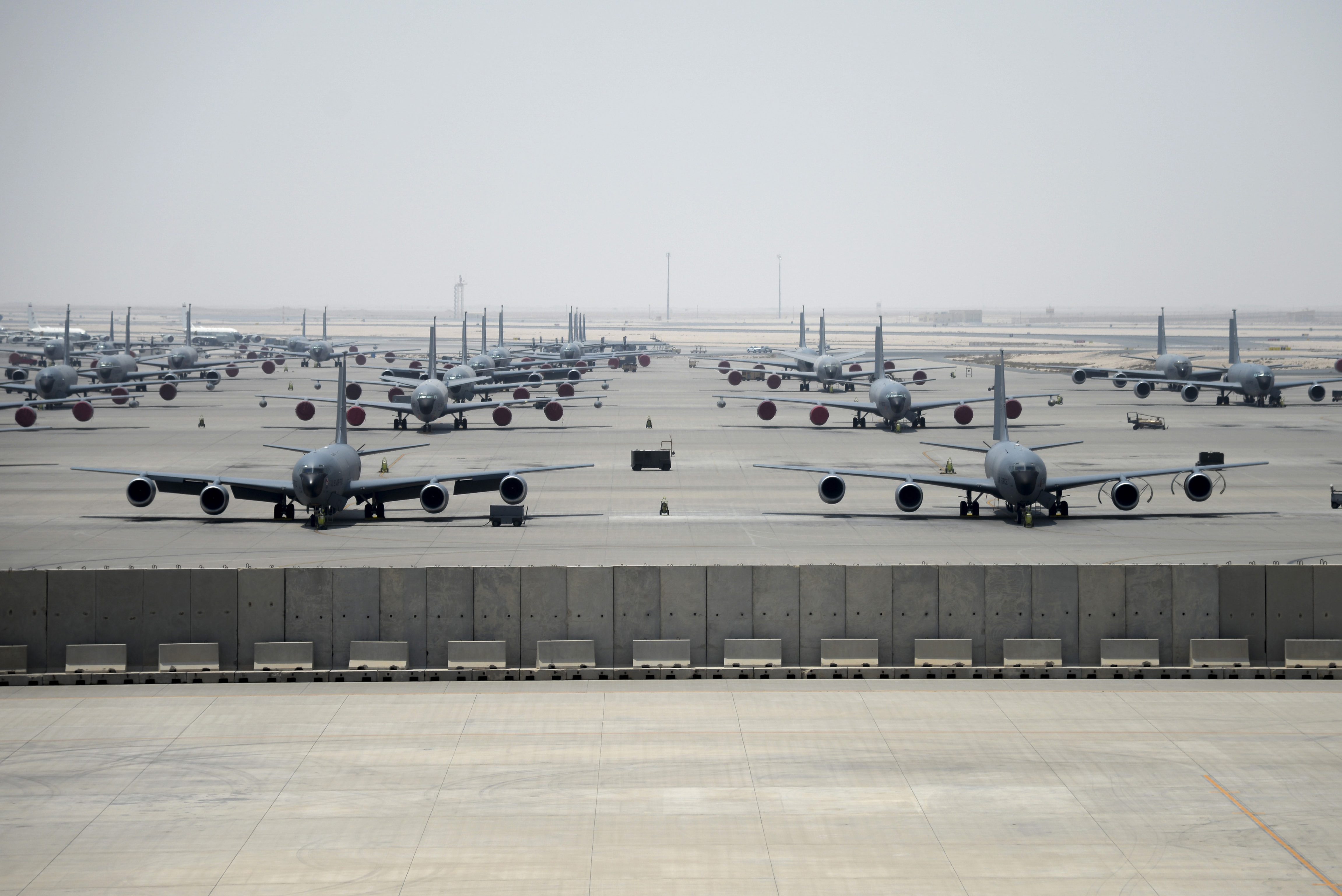
Iran launched missile attacks on U.S. military bases in Qatar and Iraq today, marking a significant escalation following U.S. airstrikes on Iranian nuclear sites over the weekend (Military Times, CNBC, BBC). The primary target was Al Udeid Air Base in Qatar—the largest U.S. military installation in the Middle East. Qatar's air defenses intercepted the missiles, and no casualties or significant damage were reported. Authorities declared the airspace safe shortly after the incident (Military Times, BBC, Yahoo Finance).
📈 Why Markets Are Up Despite Escalation
The initial market reaction was volatile, with oil prices spiking to five-month highs on fears Iran might target the Strait of Hormuz, a chokepoint for 20% of global oil shipments (Reuters, Investopedia, Yahoo Finance). But markets quickly reversed as further details emerged:
🛢️ Oil Prices Fell Sharply: Crude fell over 6% once it was clear Iran had not targeted energy infrastructure or shipping lanes and had not attempted to close the Strait (Reuters, Yahoo Finance, BBC).
📊 Stocks Rallied: The Dow, S&P 500, and Nasdaq rose 0.6% to 0.9% as investors interpreted the attack as limited and signalling de-escalation (Investopedia, CNN, Yahoo Finance, Reuters).
📉 Safe-Haven Demand Muted: Gold posted modest gains and there was no flight to traditional safe-havens—indicating investor belief that broader war risks remain low (Yahoo Finance, Reuters, CNN).
🧠 Market Interpretation and Broader Implications
Analysts say Iran’s strike was calibrated to avoid escalation. It matched the number of U.S. bombs dropped and avoided civilian targets (Yahoo Finance). The uninterrupted flow of Middle East oil eased energy fears (Reuters, Investopedia). Fed rate cut speculation added a further lift to sentiment (Yahoo Finance, Reuters).
“Currently, markets seem to view the U.S. military actions against Iran as a contained incident rather than the onset of a larger war. The lack of significant safe haven flows suggests that investors believe this is a singular event, rather than a disruption to global oil supplies or trade routes.” (Reuters)
Sensei’s Insight: The rally reflects confidence that Iran’s strike was a calibrated message, not a gateway to wider war. But with the Strait of Hormuz still in play and geopolitical lines redrawn, any future shock—intentional or accidental—could instantly reverse gains. For investors, the lesson is clear: geopolitical risk may be dormant, but it's not priced out. Stay nimble.
Fed’s Waller Signals July Rate Cut Possible:

Federal Reserve Governor Christopher Waller broke from Chair Jerome Powell’s cautious approach, telling CNBC that the Fed could cut interest rates “as early as July,” even as the central bank held rates steady at 4.25%-4.5% for the fourth consecutive meeting. Waller argued that current rates are “1 to 1.5 points above the neutral level” and warned against waiting for labor market deterioration, highlighting the 25-year high unemployment rate among recent college graduates (Fortune, Yahoo Finance). His comments follow the FOMC’s unanimous decision to hold rates while projecting two 25-bps cuts by year-end—though seven of 19 officials now foresee no cuts at all in 2025 (CNBC, NDTV Profit).
Waller Downplays Tariff Risks as Market Eyes September: Waller’s dovish tone contrasts sharply with Powell’s call for patience, as he dismissed tariff-driven inflation as temporary “one-off level effects” (Axios). Despite his remarks, CME FedWatch data shows market skepticism remains, with just 10.3%-14.5% odds for a cut at the July 29–30 meeting, while September odds rise to 57.6% (The Street, Bitget, MEXC). This shift comes amid the Fed’s updated forecasts raising 2025 inflation expectations to 3.0% (from 2.7%) and trimming GDP growth to 1.4% (from 1.7%) (NDTV Profit). With Waller seen as a possible Powell successor, his dissent signals growing FOMC division at a critical moment for monetary policy (Yahoo Finance, Proactive Investors, Scotsman Guide).
Sensei’s Insight: Markets rallied on Waller’s pivot, with traders increasingly pricing in a July cut. But if the Fed doesn’t deliver, the unwind could be sharp. Be mindful—what’s priced in now might be tomorrow’s disappointment.
Apple Faces $900B Securities Fraud Lawsuit Over AI Delays
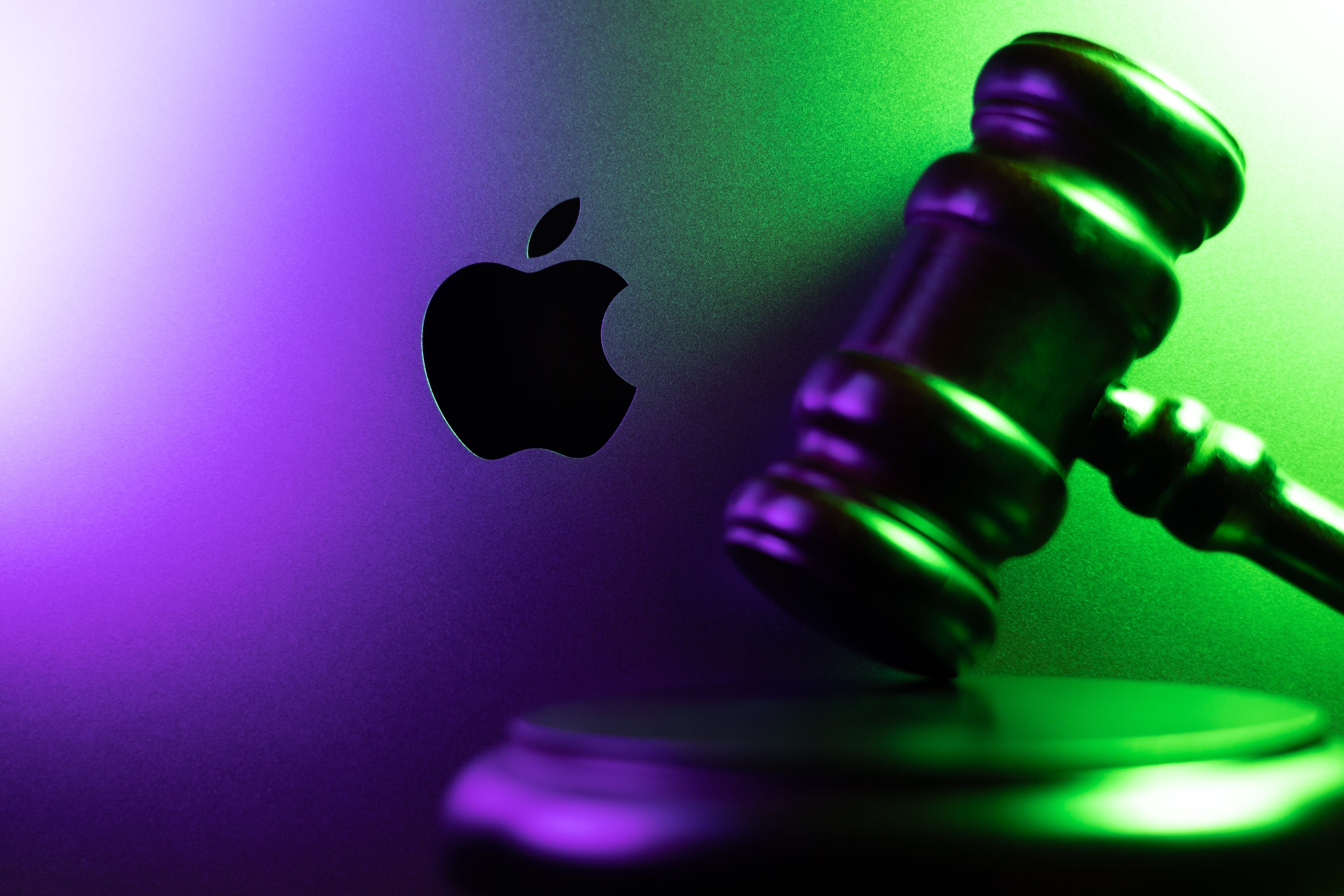
Apple is facing a securities fraud class action lawsuit filed June 20, 2025, Tucker v. Apple Inc et al (No. 25-05197), alleging executives misled investors about the timeline and readiness of its “Apple Intelligence” AI features. The suit names CEO Tim Cook, CFO Kevan Parekh, and former CFO Luca Maestri, claiming Apple falsely promoted advanced Siri capabilities at WWDC 2024 without viable prototypes (9to5Mac, PR Newswire). Following Apple’s March 2025 admission that core AI features were delayed indefinitely, with some deferred until 2026, shares have plunged nearly 25% from their $260 peak on December 26, 2024, wiping out approximately $900 billion in market capitalization—the third-largest single-company value loss in U.S. history (The Outpost, The Daily Star, CNBC). Analysts at Morgan Stanley, led by Erik Woodring, slashed their price target from $275 to $252 citing uncertainty around the iPhone upgrade cycle and AI monetization potential (TipRanks, Investors).
Retail investors are central to the case, as it spans stockholders affected through June 9, 2025. Plaintiffs highlight internal concerns and industry skepticism—such as analyst John Gruber calling the Siri announcements “vaporware” (9to5Mac)—and cite that nearly 50% of potential iPhone 16 buyers have postponed purchases due to absent AI features (GlobeNewswire, Gov.Capital). Apple is also dealing with a separate consumer fraud suit related to Siri performance, compounding its legal risk and eroding investor confidence (Business Standard). For retail shareholders, the case underscores mounting exposure to AI-related disclosure risks—particularly in megacaps where delays can inflict historic value destruction. As pressure mounts for greater transparency, Apple and peers may be forced to curtail speculative AI forecasts to avoid future litigation (Economic Times, Newsweek).
Sensei’s Insight: Retail investors often assume AI rollout delays are just technical hiccups—but this lawsuit reveals the legal and financial blowback when forward-looking hype overtakes operational reality. Apple’s $900B drawdown shows that even the world’s most valuable company isn’t immune. Investors should scrutinize AI timelines with the same skepticism once reserved for earnings guidance. In the new AI era, missed expectations can vaporize portfolios overnight.
Iran's Strait of Hormuz Threat
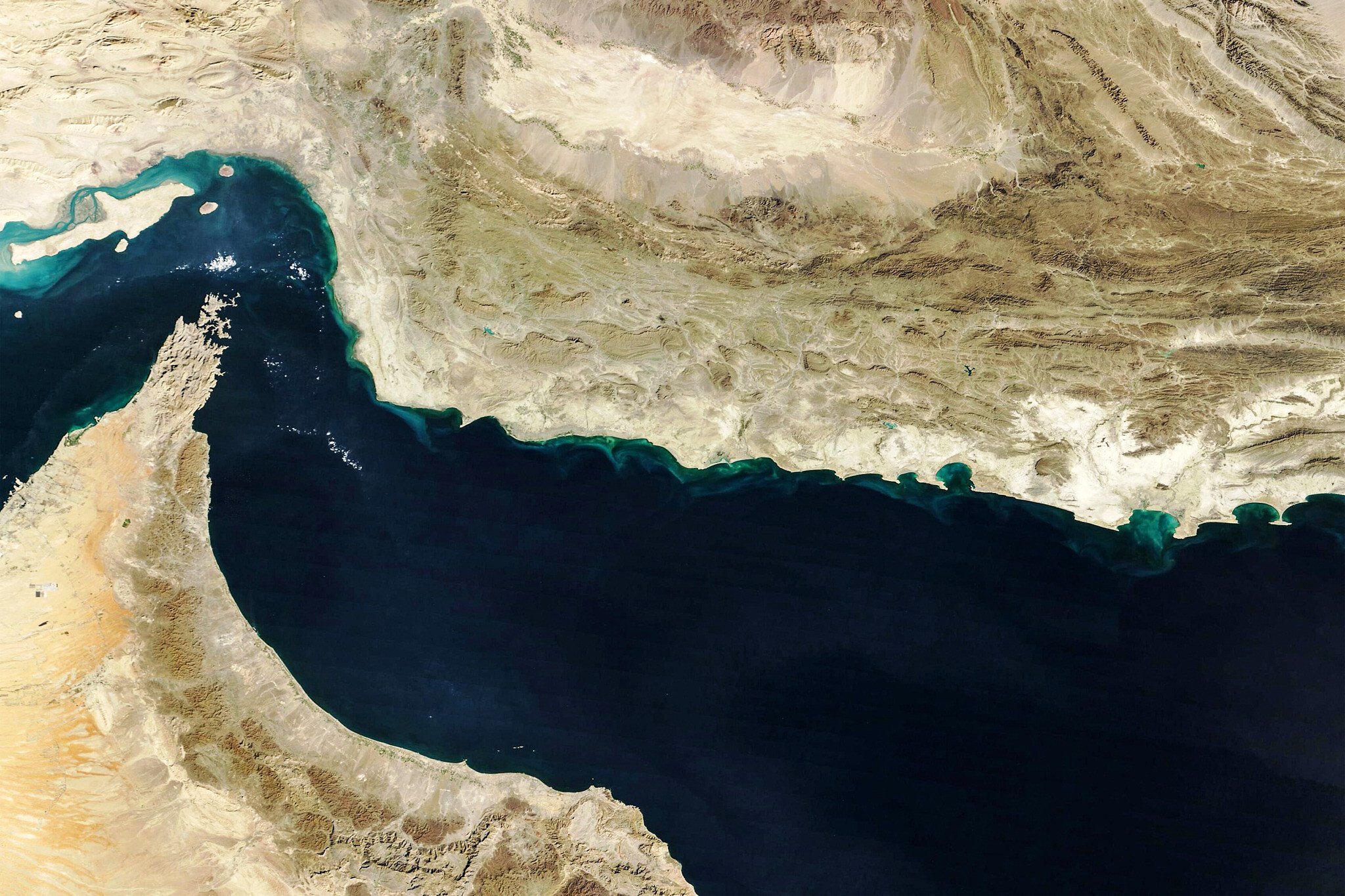
The Iranian parliament's recent vote to potentially close the Strait of Hormuz represents one of the most significant threats to global energy security in decades, targeting what the U.S. Energy Information Administration calls "the world's most important oil chokepoint" U.S. EIA. This narrow waterway, measuring just 21 miles at its tightest point between Iran and Oman, facilitates the daily transport of approximately 20 million barrels of oil—equivalent to 20% of global petroleum consumption The Conversation. The parliamentary decision follows U.S. Operation Midnight Hammer, which struck three Iranian nuclear facilities on Saturday, with Revolutionary Guards Commander Esmail Kowsari confirming that closure remains "under serious consideration" Newsweek Wikipedia. While the final decision rests with Iran's Supreme National Security Council and Supreme Leader Ayatollah Khamenei, the mere threat has already triggered significant market volatility, with Brent crude prices surging from $69 per barrel on June 12 to over $78 by Sunday evening—the highest level in five months BBC.
The economic ramifications of a potential closure would be catastrophic, particularly for Asian economies that depend heavily on Middle Eastern energy supplies transiting through Hormuz. China, the world's largest oil refiner and Iran's biggest customer, imported 5.4 million barrels per day through the strait in Q1 2025, while India received 2.1 million barrels daily CNN Times of India. Goldman Sachs and Rapidan Energy predict oil prices could surge past $100 per barrel if the strait were closed for an extended period, with JPMorgan warning of potential spikes to $130 per barrel in a full-scale conflict scenario CNBC Washington Post. This would translate to immediate fuel price increases across global markets, with analysts estimating U.S. gasoline could reach $5–$7 per gallon depending on closure duration Newsweek. The inflationary impact would be severe, as Taiwan's Economics Minister noted that a 10% oil price increase typically raises consumer prices by 0.3% Focus Taiwan. Even the United States, despite energy independence, would face significant economic pressure through higher fuel costs and global supply chain disruptions, as approximately 2 million barrels per day of oil products reach American markets via Hormuz Washington Post.
Iran possesses genuine military capabilities to disrupt Strait operations, maintaining an estimated 5,000–6,000 naval mines that could effectively halt tanker traffic within days of deployment. Military experts suggest Iran could sow up to 100 mines daily once a closure is declared, making the waterway impassable for months IntelliNews. However, the likelihood of sustained closure remains low due to several constraining factors: Iran's own economic dependence on oil exports through the strait, potential Chinese opposition given Beijing's reliance on these energy flows, and inevitable Western military response to restore navigation Kyiv Insider. Historical precedent supports this assessment—Iran has repeatedly threatened Strait closure over decades but never followed through, even during the intense Iran-Iraq War of the 1980s Newsweek. Retired General Frank McKenzie notes that while Iran could mine the strait, "we have very good plans to clear that if we had to do it," though such operations would temporarily disrupt global commerce CBS News. The most probable scenario involves escalating threats and limited harassment of shipping rather than complete blockade, as Tehran seeks to maximize leverage while avoiding actions that would constitute "economic suicide" and trigger overwhelming military retaliation Hindustan Times.
Sensei’s Insight: Iran closing the Strait of Hormuz is unlikely — but in markets, threats move prices. Even without a blockade, insurers hike premiums, shippers reroute, and oil traders start front-running risk. That’s enough to push prices higher before a single mine hits the water.
🌍 World Bank and IMF Scale Back Climate Finance Under US Pressure
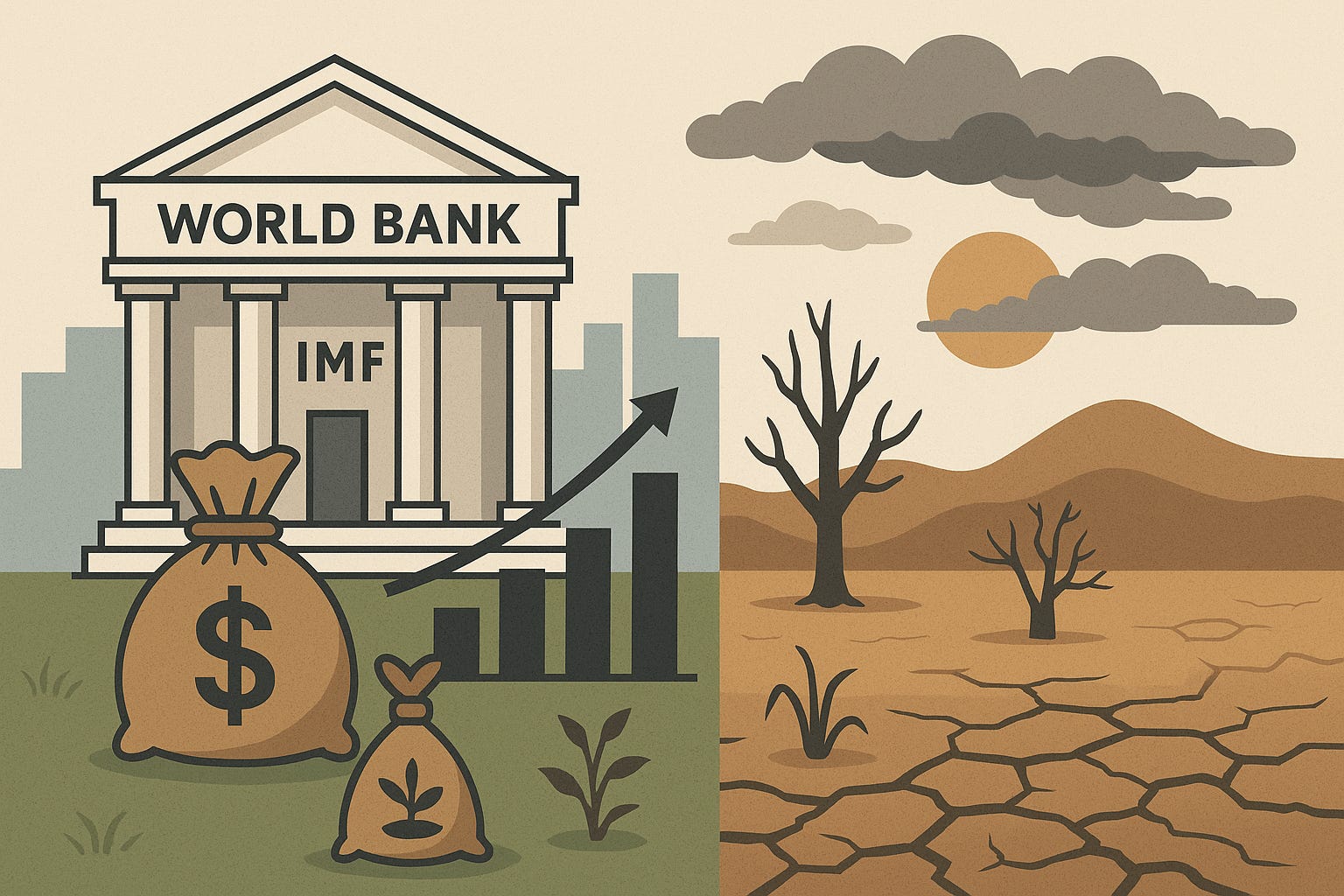
US Treasury Secretary Scott Bessent pressured the World Bank and IMF to retreat from climate finance commitments at their 2025 Spring Meetings, calling climate targets "distortionary" and demanding institutions focus on "economic stability and growth over climate lending" (African Climate Wire, Green Central Banking). IMF Managing Director Kristalina Georgieva aligned with Bessent's position, emphasizing the Fund's mandate to prioritize fiscal and monetary policies while downplaying climate change's role. This marks a reversal from the IMF's previous stance acknowledging climate change as a "macro-critical risk" and contradicts positive assessments of its Resilience and Sustainability Trust Fund, which has approved 20 arrangements worth $9.5 billion (IMF).
The policy shift builds on tensions from COP29 in Baku, where developed countries committed just $300 billion annually by 2035—far below the $900 billion sought by developing nations (ReliefWeb). The World Bank, which delivered a record $42.6 billion in climate finance in fiscal 2024 and committed to allocating 45% of total lending to climate projects through June 2025, has softened its climate messaging to avoid drawing US ire (Klean Industries). Ten major development banks, including the World Bank, had previously announced plans to reach $120 billion annually for low- and middle-income countries by 2030, representing a 60% increase from 2023 levels (ESG News).
Why This Matters for Investors: The retreat from climate finance signals a fundamental shift in global development funding that could reshape ESG investing and climate-related market opportunities. Companies in renewable energy, green technology, and climate adaptation sectors may face reduced institutional funding pipelines, potentially impacting valuations and growth trajectories (The Tech Edvocate). Conversely, traditional energy sectors including nuclear and natural gas may benefit from renewed institutional support (Green Central Banking, Klean Industries). The $1.3 trillion annual climate finance gap by 2035 creates both risks for climate-exposed assets and opportunities for private capital to fill the funding void, particularly in emerging markets where development bank retreat leaves significant financing needs unmet (RTL Today, Brazil Ministry of Finance).
Sensei’s Insight: The U.S.-driven pivot at the IMF and World Bank reveals a deeper recalibration of global finance priorities—where climate objectives are subordinated to growth-centric orthodoxy. This move could fundamentally reshape capital flows, with institutional funding increasingly favoring traditional energy and infrastructure. For investors, the divergence between public climate rhetoric and private capital opportunity widens: sectors once buoyed by policy tailwinds must now compete harder for funding, while unloved legacy industries may quietly regain favor.
🔗 Connect with Us
Stay plugged in across platforms:
Sensei on X: sensei_crypto_
Martyn Lucas on X: MartynInvestor
Vaz on X: eVTOLHUB
💎 Premium Discord Access: Join the Discord
📺 YouTube Channel (Live & Replays): Martyn Lucas Investor
👕 Limited Merch: Shop Here

🔍 Deeper Dive: How Wars Affect the Stock Market – What Retail Investors Must Know

War rattles markets—but not always in the way you’d expect. From World War I to today’s Middle East tensions, history shows a consistent truth: markets fear uncertainty more than conflict itself. For retail investors, understanding how different asset classes and sectors respond to geopolitical shocks isn’t optional—it’s essential.