


💼 eVTOL MEGA Earnings Week Ahead — Can This Spark the Next Big Rally?
Next week marks a major moment for the eVTOL sector, as three leading manufacturers release their quarterly results in rapid succession. Vertical Aerospace ($EVTL) reports Tuesday pre-market, followed by Joby Aviation ($JOBY) Wednesday after hours, and Archer Aviation ($ACHR) Thursday after hours. With all three scheduled back-to-back, this “eVTOL MEGA Week” could prove to be a major catalyst — not only for individual stock performance, but for broader investor sentiment across the entire advanced air mobility market.
JOIN US FOR THE SATURDAY LIVE EVTOL SHOW WITH VAZ
🔗 Connect with Us
Stay plugged in across platforms:
Sensei on X: sensei_crypto_
Martyn Lucas on X: MartynInvestor
Vaz on X: eVTOLHUB
💎 Premium Discord Access: Join the Discord
📺 YouTube Channel (Live & Replays): Martyn Lucas Investor
👕 Limited Merch: Shop Here
🚀 Why These Earnings Matter More Than Ever
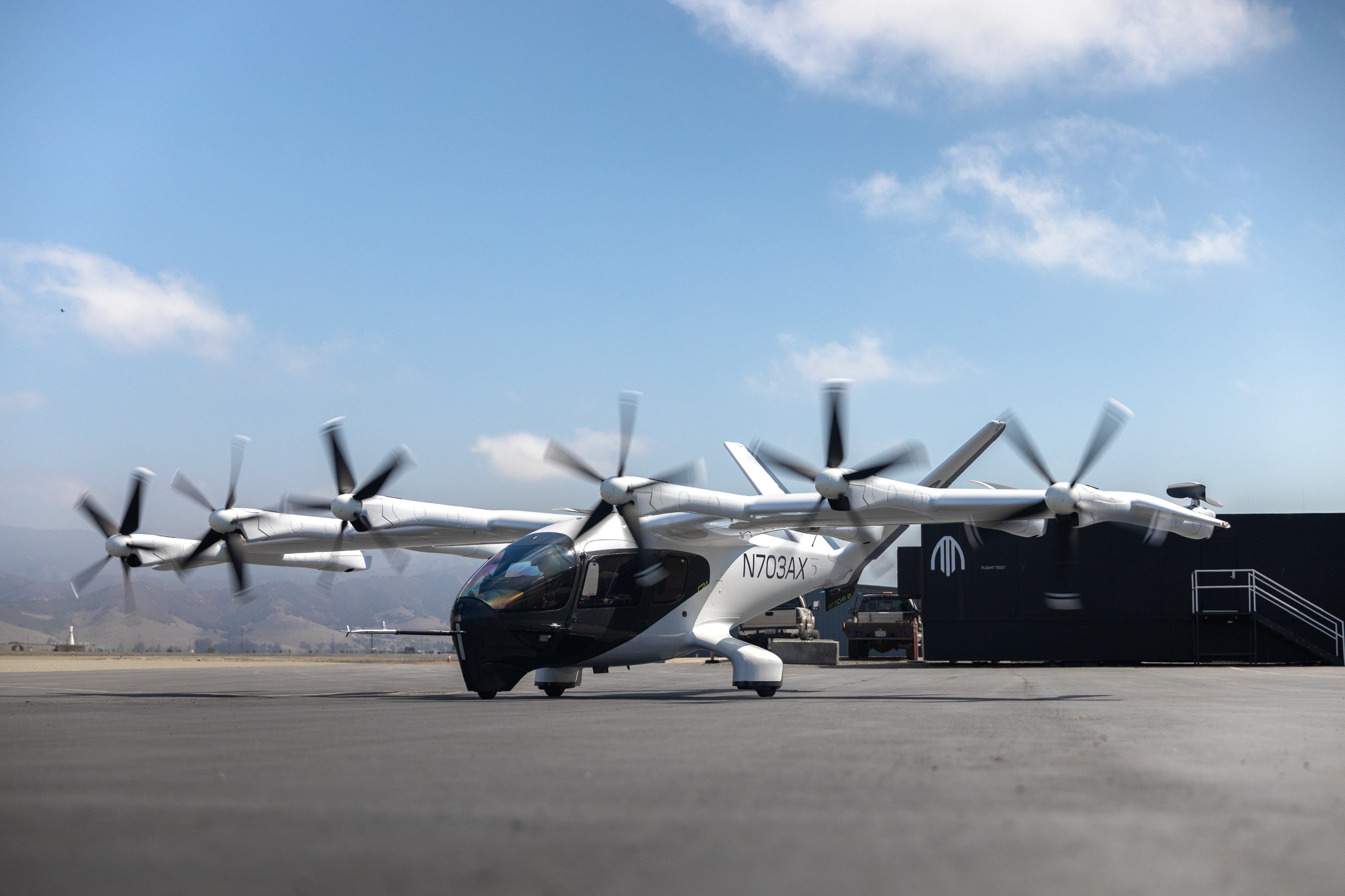
The timing couldn’t be more critical. Several industry milestones are lining up immediately after these reports: the Dubai Airshow, Archer’s public unveiling of its fully piloted Midnight aircraft (N704AX), Vertical Aerospace’s Phase 4 piloted full-VTOL test flights, and the expected reveal of Vertical’s certification-ready aircraft. Add to that the potential progress updates from Joby on its FAA type-certification process, and we could be looking at the most consequential news cycle for the sector this year.
🧭 Momentum Building — or Market Test?
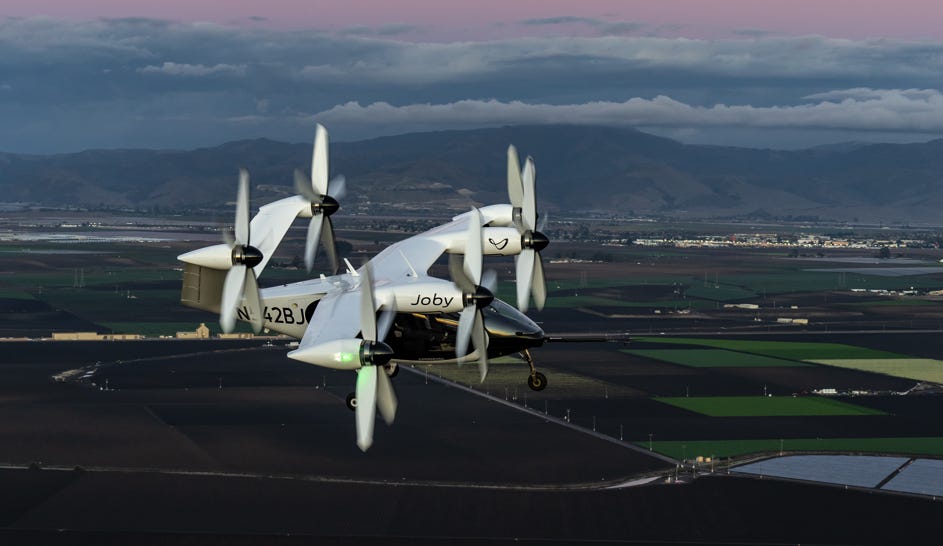
Investors will be closely watching cash runway updates, certification timelines, and partnership news. A strong set of earnings — even if still pre-revenue — could shift sentiment from speculative curiosity to renewed confidence. With multiple aircraft unveiling events and test milestones approaching, the combination of financial transparency and tangible progress could trigger a meaningful rally across the eVTOL market.
🎥 Full LIVE Coverage by Vaz
Stay tuned as Vaz covers all three earnings calls LIVE on Martyn Lucas Investor. You can already catch the pre-earnings analysis for Vertical from Thursday’s show, with Joby’s preview coming Monday PM and Archer’s preview Tuesday PM. Don’t miss it — this could be the week the market wakes up to eVTOL’s next phase of reality.
🚀 Elon Musk on Flying Cars: What We Know So Far
Elon Musk has once again sent ripples through the tech and investment world after hinting on The Joe Rogan Experience that Tesla may unveil a flying car by the end of 2025. While the comment was brief, it reignited speculation that the company could soon step beyond electric vehicles and into advanced air mobility — a move that could redefine both the automotive and aerospace industries.
Whole part of the interview here:
Although Tesla has not confirmed any official flying-car programme, several of the company’s existing patents point toward enabling technologies. These include hover-capable thruster systems, vertical-lift fan architectures, and advanced battery and energy-density innovations that could support short-range electric flight. Musk has also previously floated the idea of a hovering Roadster concept — potentially the foundation for future VTOL (Vertical Take-Off and Landing) applications.
Industry observers remain cautious. Certification, regulation, and safety infrastructure are enormous hurdles that even dedicated eVTOL manufacturers have yet to overcome. However, Tesla’s track record of translating ambitious ideas into disruptive technologies gives this speculation extra weight — especially for investors tracking the convergence of automotive, aerospace, and energy sectors.
🔹 Analysis by Vaz on Martyn Lucas Investor
(Not financial advice. For informational and entertainment purposes only.)
🧾 Fact-Check Summary
✅ Confirmed:
Elon Musk mentioned the possibility of a flying Tesla during his latest appearance on The Joe Rogan Experience (October 2025).
Tesla holds multiple patents related to propulsion and aerodynamic control systems that could be relevant to vertical-lift designs.
⚙️ Speculative:
No official Tesla flying-car programme has been announced.
The timeline of “by the end of the year” appears to be an informal remark rather than a confirmed production plan.
❓ Unknown:
Whether Tesla’s existing designs can meet regulatory and certification standards for urban or regional air mobility.
If a prototype or concept reveal is already in development behind the scenes.
🤝 Joby Aviation Partners with NVIDIA to Power Next-Gen Autonomous Flight
🚀 A Partnership That Could Redefine Autonomy in the Sky
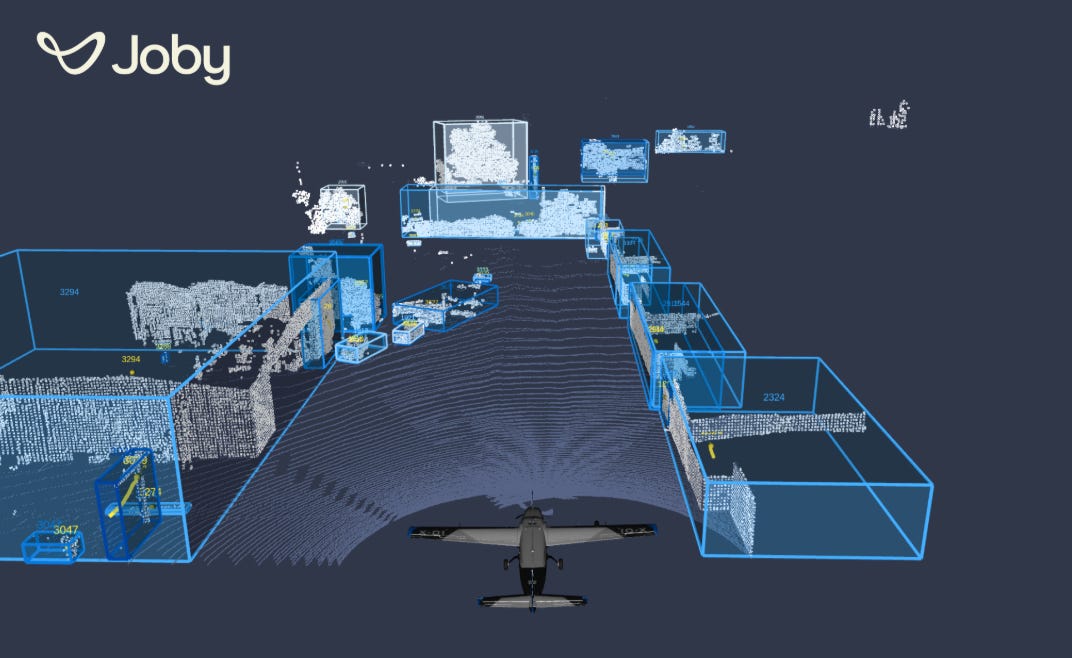
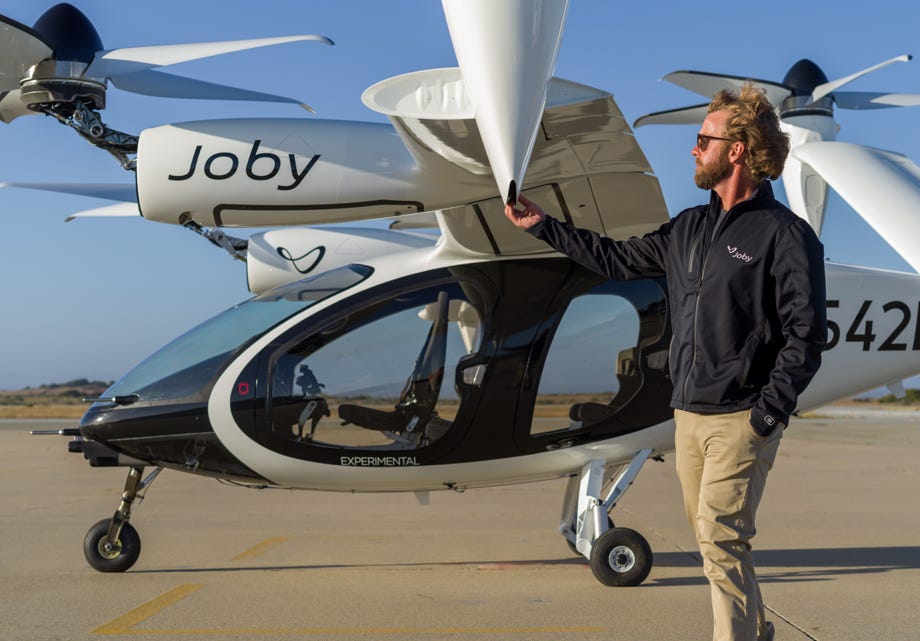
In a move that could reshape the boundaries between aerospace and artificial intelligence, Joby Aviation has announced a landmark partnership with NVIDIA, becoming the launch partner for the company’s powerful new IGX Thor platform. The collaboration will integrate Joby’s Superpilot™ autonomy system with NVIDIA’s cutting-edge compute architecture, enabling real-time processing of radar, LiDAR, and visual data, along with predictive maintenance and advanced digital-twin modelling. Together, these systems are being developed with one goal in mind — to deliver certifiable, real-world autonomous flight.
⚙️ Why This Matters for Both Companies — and the Market
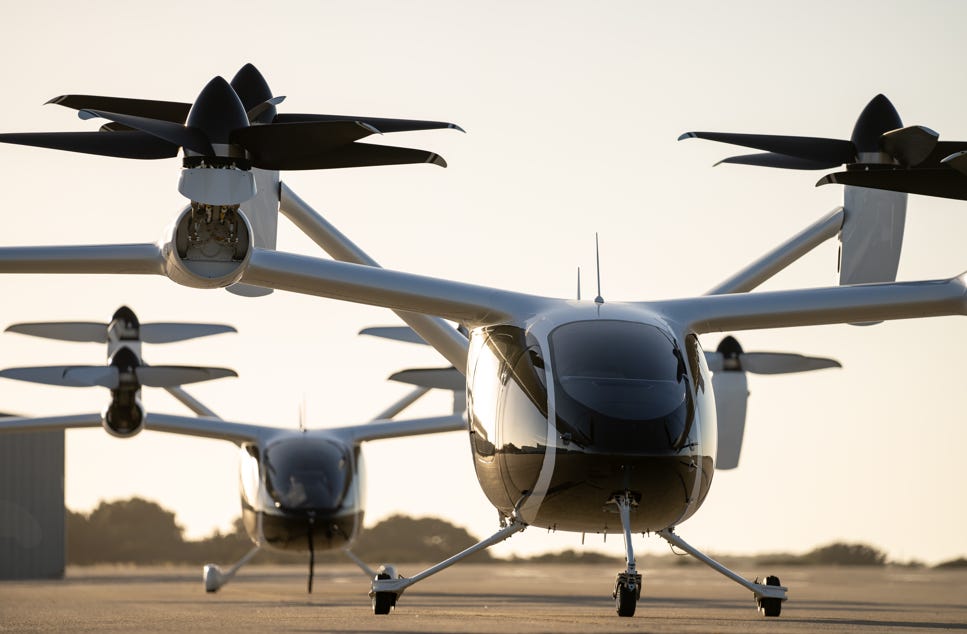
For NVIDIA, the partnership marks a decisive step into aerospace and urban air mobility, extending its “physical-AI” ambitions beyond cars and factory robots into the skies. For Joby, it provides access to the world’s most advanced AI and edge-compute infrastructure — a crucial advantage in developing scalable autonomy. The move reinforces Joby’s leadership in the eVTOL race, especially as autonomy becomes a core differentiator between early prototypes and truly operational air-taxi systems.
🧠 The Bigger Picture — eVTOL Meets High-Performance Computing
This collaboration underscores a broader trend: the future of flight will be driven not just by lift and battery technology but by real-time data and computational intelligence. As Joby and NVIDIA push the limits of physical-AI, their work could accelerate certification standards, improve safety through predictive analytics, and reshape how regulators approach human-machine collaboration in aviation.
🟠 A deeper analysis by Vaz coming in the next days.
🛫 Joby Aviation Begins Propeller Blade Manufacturing in Dayton, Ohio
🏭 A Major Manufacturing Milestone
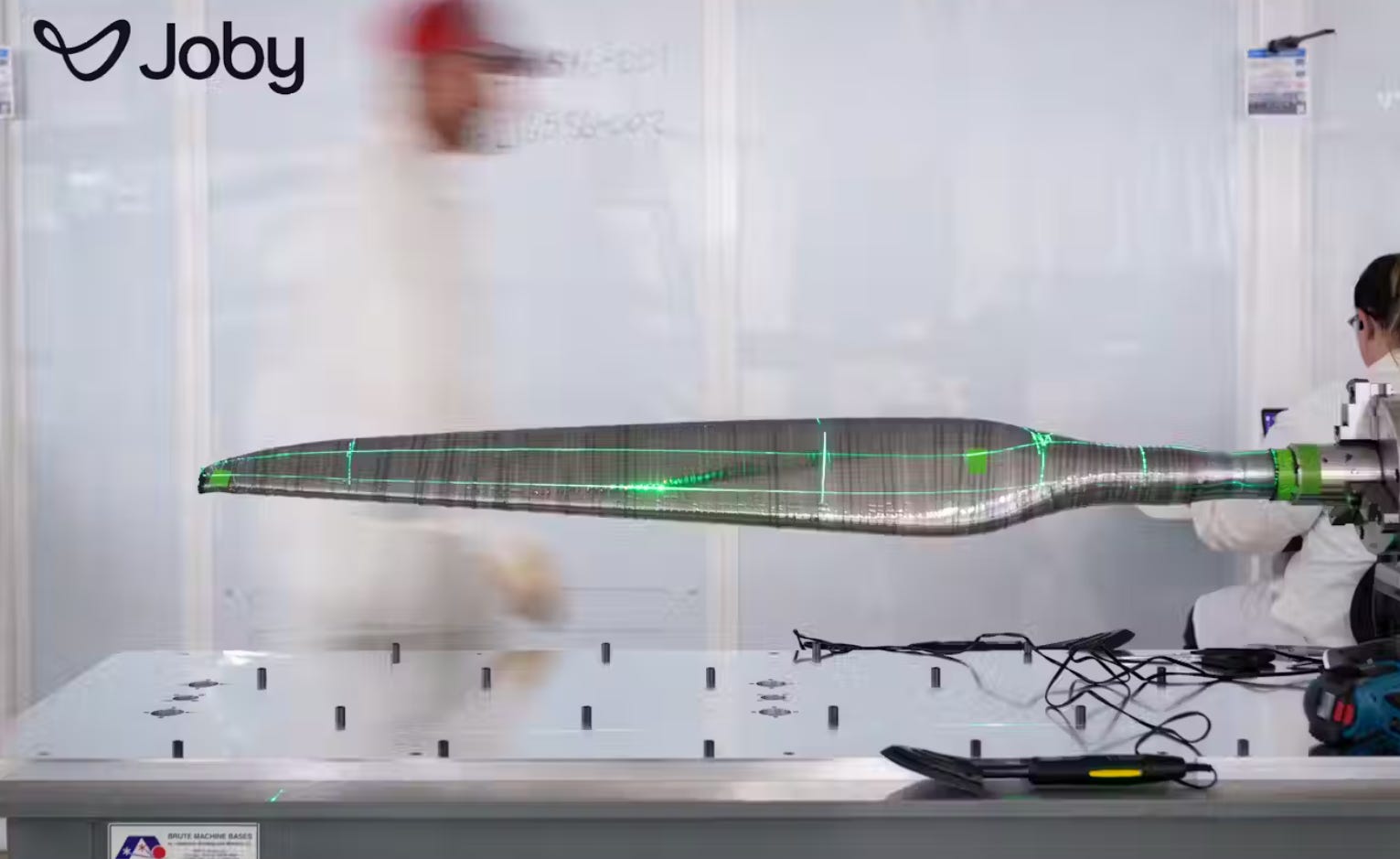
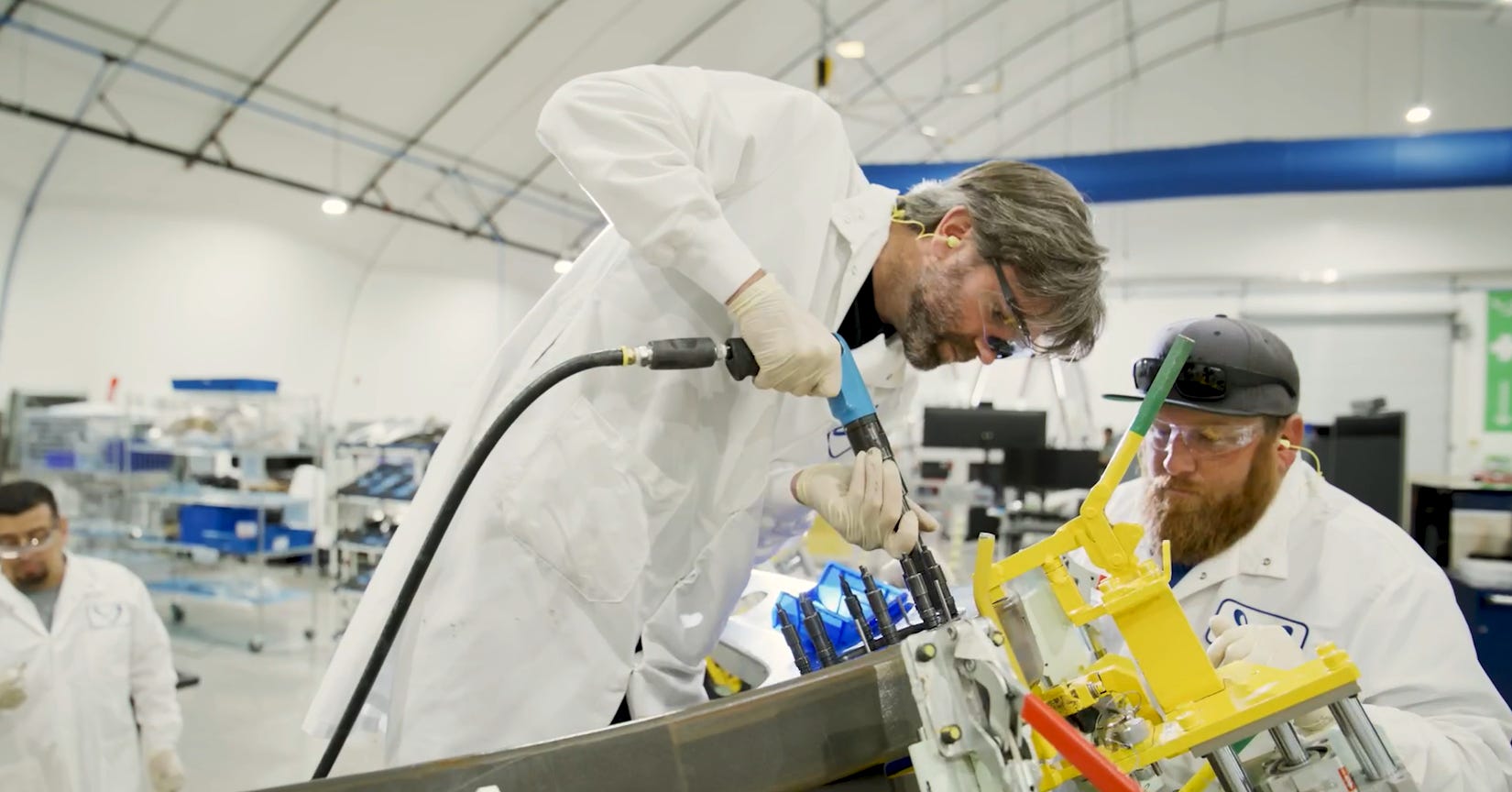
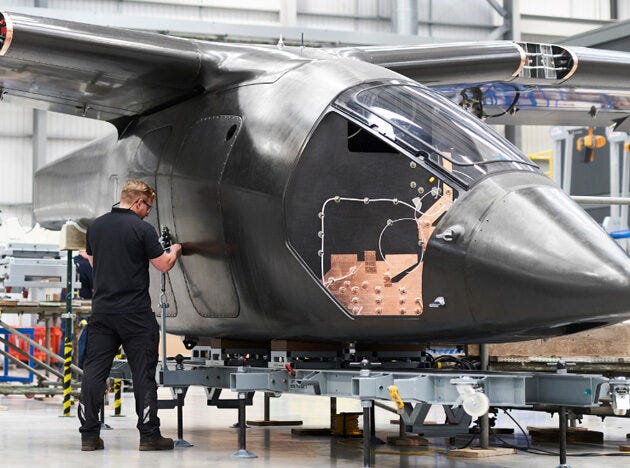
Joby Aviation has officially begun manufacturing propeller blades at its newly established facility in Dayton, Ohio — a move that marks a significant step toward full-scale production. The site is built to support up to 15,000 blades per year, which equates to roughly 500 aircraft annually once mass production begins. This expansion brings one of the company’s most complex and conforming components under Joby’s direct control, aligning perfectly with its certification and production readiness roadmap.
📍 Why Dayton Matters
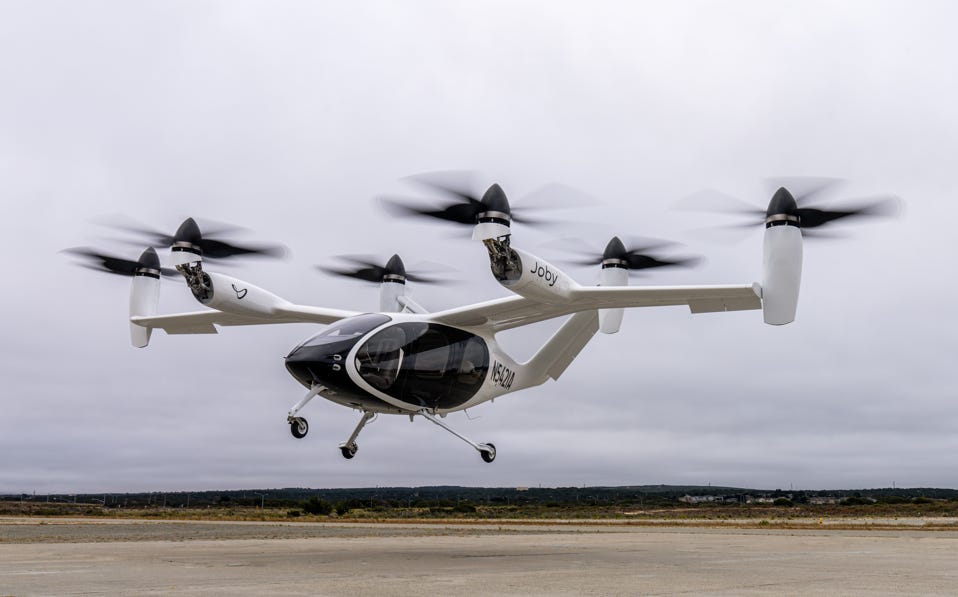
Dayton’s deep aerospace roots and skilled workforce made it an ideal location for Joby’s next manufacturing phase. By producing carbon-composite blades in-house — five per propeller, 30 per aircraft — Joby strengthens its production reliability and supply chain resilience. The choice of location also connects the company with a region known for innovation dating back to the Wright brothers, symbolically tying Joby’s future of electric flight to the birthplace of powered aviation.
🔧 What It Means for Joby’s Future
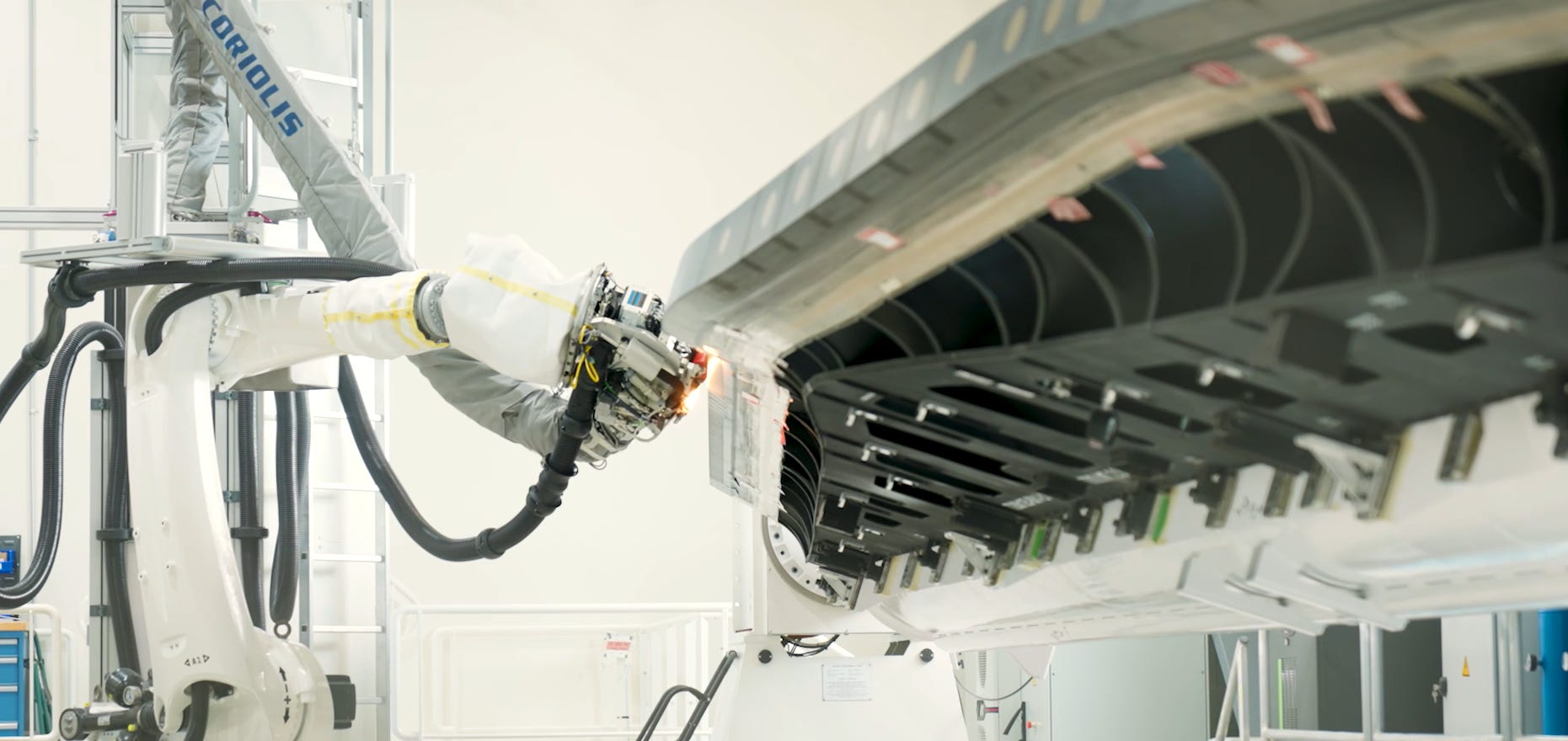
This milestone reinforces Joby’s transition from prototype builder to large-scale manufacturer. It demonstrates tangible progress toward certification and commercial readiness, signalling that Joby is actively preparing for serial production rather than limited demonstration runs. With conforming components now in production, Joby is edging closer to achieving the critical FAA type certification needed to enter service.
📈 Implications for the eVTOL Market
For investors and industry followers, this development highlights Joby’s strategic advantage: vertical integration and production autonomy. While many competitors still rely on external suppliers, Joby’s in-house approach provides better cost control and faster certification turnaround. It’s a bold statement of intent — and one that places Joby firmly in the lead among eVTOL manufacturers preparing for real-world operations.
⚔️ Anduril Debuts YFQ-44: The New “Loyal Wingman” Takes Flight
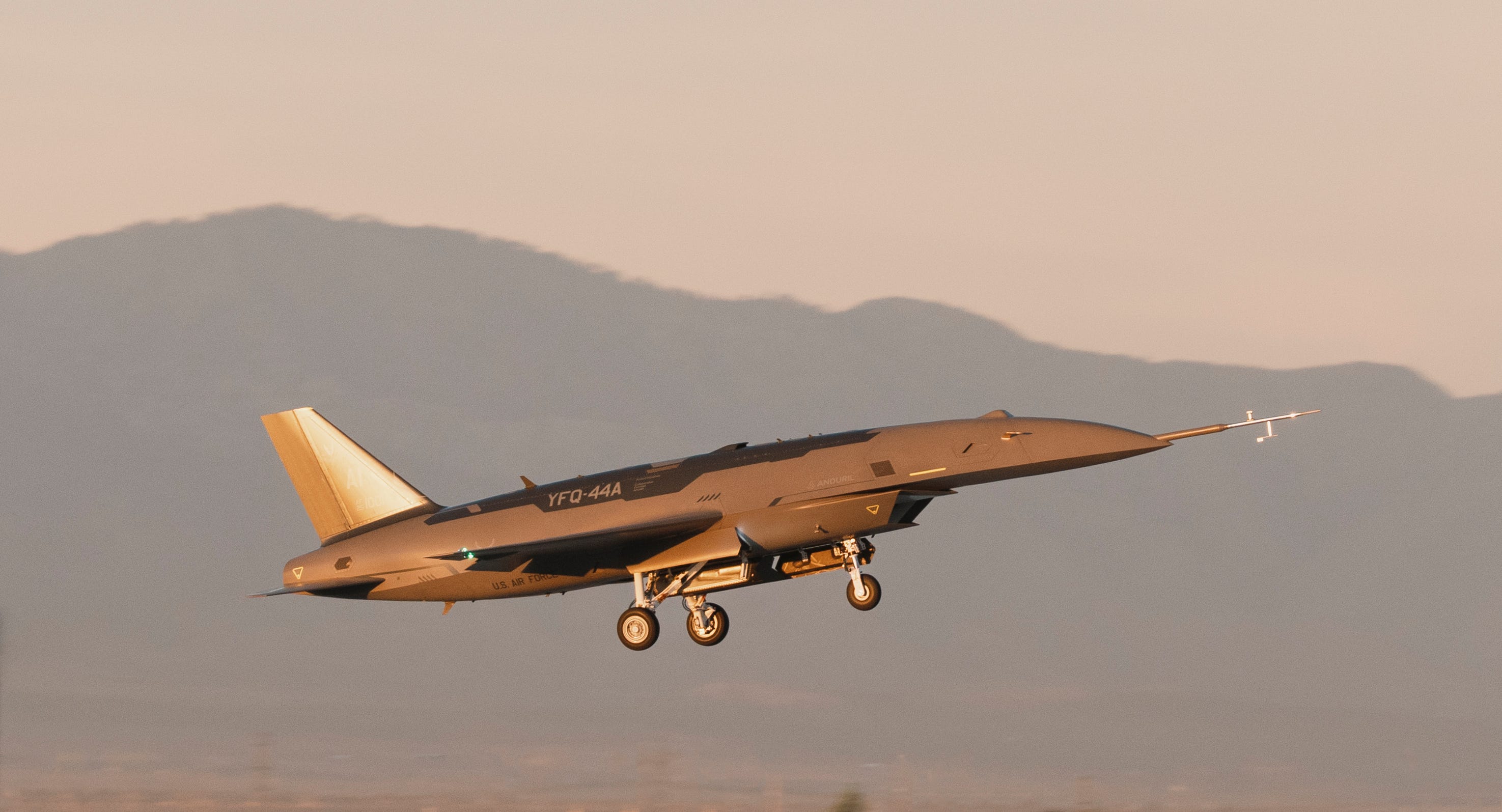
Anduril Industries announced the maiden flight of its jet-powered YFQ-44A (internally known as “Fury”) on 31 October 2025 — a purpose-built, semi-autonomous “loyal wingman” designed to operate alongside crewed fighters in the U.S. Air Force’s Collaborative Combat Aircraft (CCA) programme. The prototype demonstrated autonomous flight control and autonomous landing during its first sortie, marking a major milestone in the Air Force’s push to pair crewed jets with affordable, high-performance unmanned systems.
✈️ What the YFQ-44 Actually Does — Capabilities & Role
The YFQ-44 is a jet-powered UCAV intended to augment manned aircraft on complex missions: ISR (intelligence, surveillance, reconnaissance), electronic warfare, decoy and—and where required—armed support from a standoff position. It’s designed to be maneuverable and fast (fighter-like performance on a smaller airframe), carry mission pods or weapons on external hardpoints, and act as an expendable yet capable force multiplier so commanders can assume higher-risk tactics without endangering pilots. Early reports say Anduril is already integrating weapons and plans live-fire tests next year.
🧭 Anduril’s Market Position — From Startup to Prime Contractor
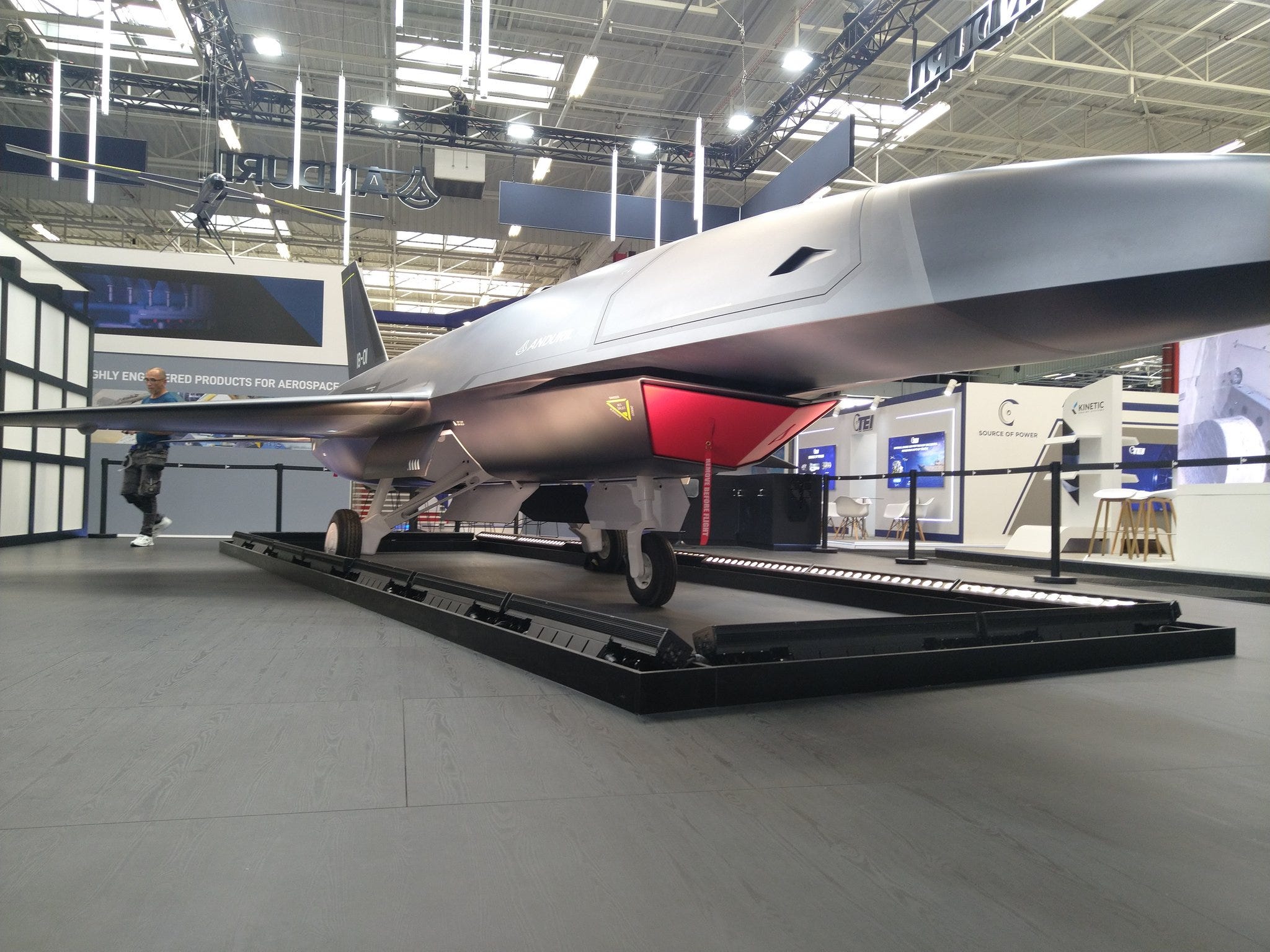
Anduril has shifted from niche defence startup to a serious prime-level contender by combining rapid-iteration air-frame design (through acquisitions and in-house R&D), AI software (Lattice), and scale-up plans for production facilities. The YFQ-44’s first flight positions Anduril directly against established UAV builders (e.g., General Atomics) in a high-visibility Air Force competition — and it underlines the company’s strategy of vertically integrating hardware, autonomy and manufacturing to shorten the path from prototype to production.
🔍 Defence Impact — What This Means for Operations & Procurement
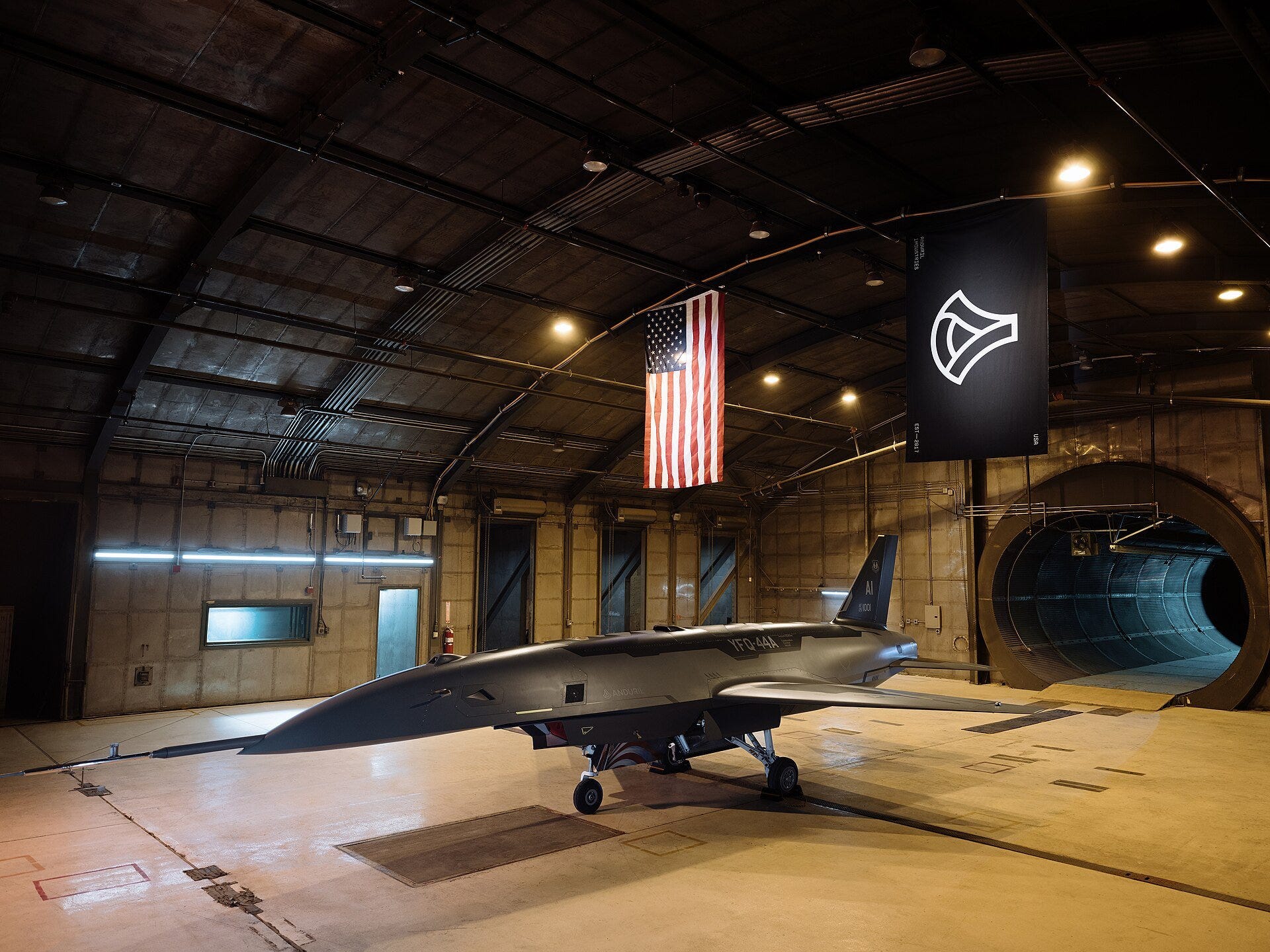
Operationally, “loyal wingmen” change mission planning: fighters escorted by cheap, networked UCAVs can extend sensor reach, saturate defences, and trial high-risk profiles while protecting human pilots. For procurement and strategy, success in the CCA programme could accelerate large-scale buys, shift budgets from single expensive platforms toward distributed, mixed crewed-uncrewed fleets, and force allies to prioritise similar capabilities. That said, hurdles remain — integrating autonomous systems into doctrine, ensuring robust command-and-control, and moving from prototype flights to certified fielding at scale.
🪢 Wrap Unveils MERLIN-Interdictor Drone — A New Frontier in Non-Lethal Policing
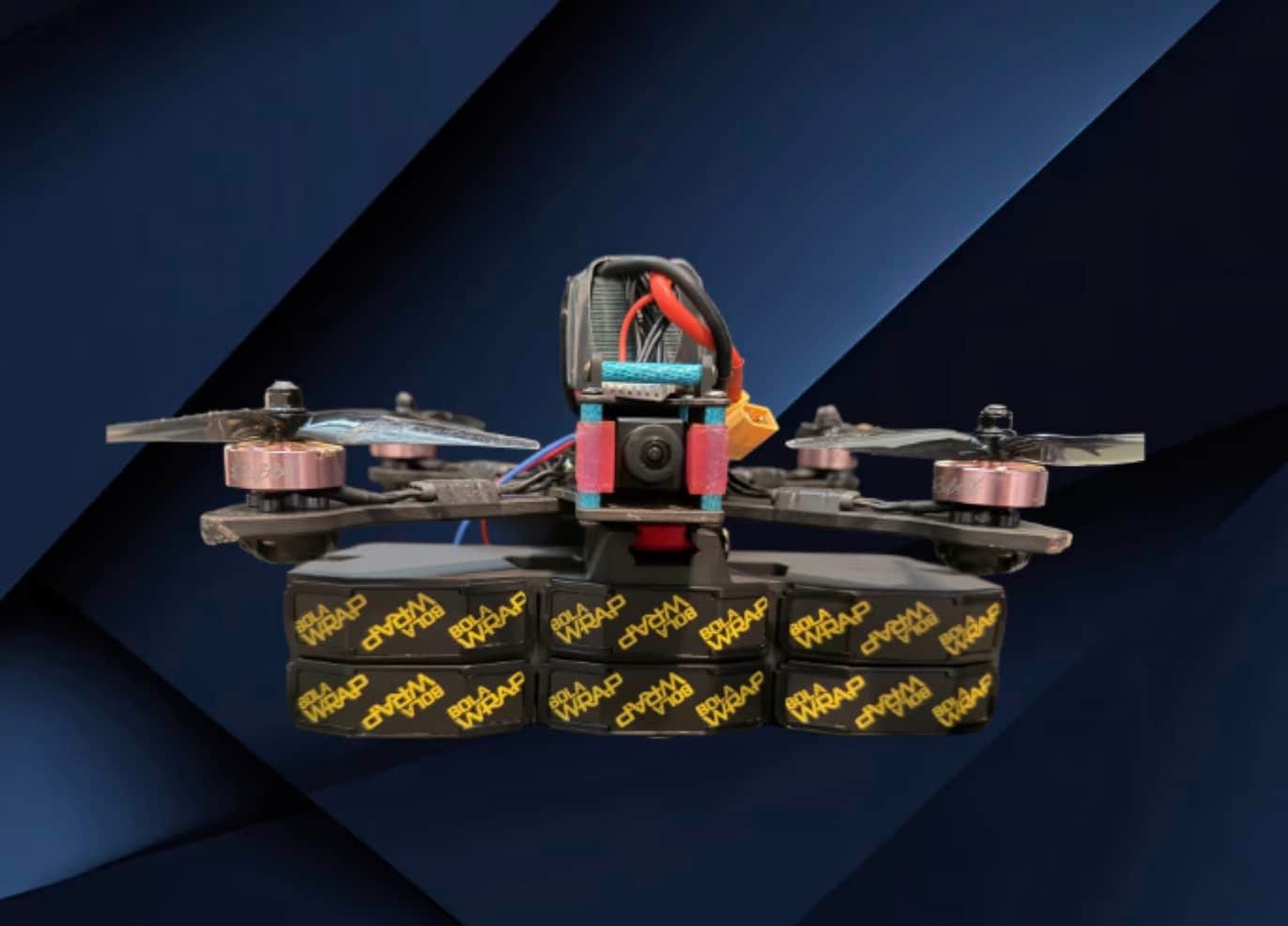
Wrap Technologies has revealed the MERLIN-Interdictor (DFR-X) — the world’s first drone-mounted restraint system capable of entangling suspects using Kevlar tethers. Building on the company’s handheld BolaWrap concept, the new platform allows officers to remotely immobilise individuals from a safe distance, turning a standard drone into a non-lethal tactical tool for policing and first-response operations.
⚙️ How It Works
The MERLIN payload uses a six-cassette launcher, each firing an 8-foot Kevlar tether to wrap around a target’s limbs. It’s compatible with existing drone platforms and integrates via a simple plug-in module, making it deployable across many police and security fleets already in service. Wrap says it successfully completed Phase II flight tests and expects to begin commercial rollout later this year, supported by officer training and policy frameworks.
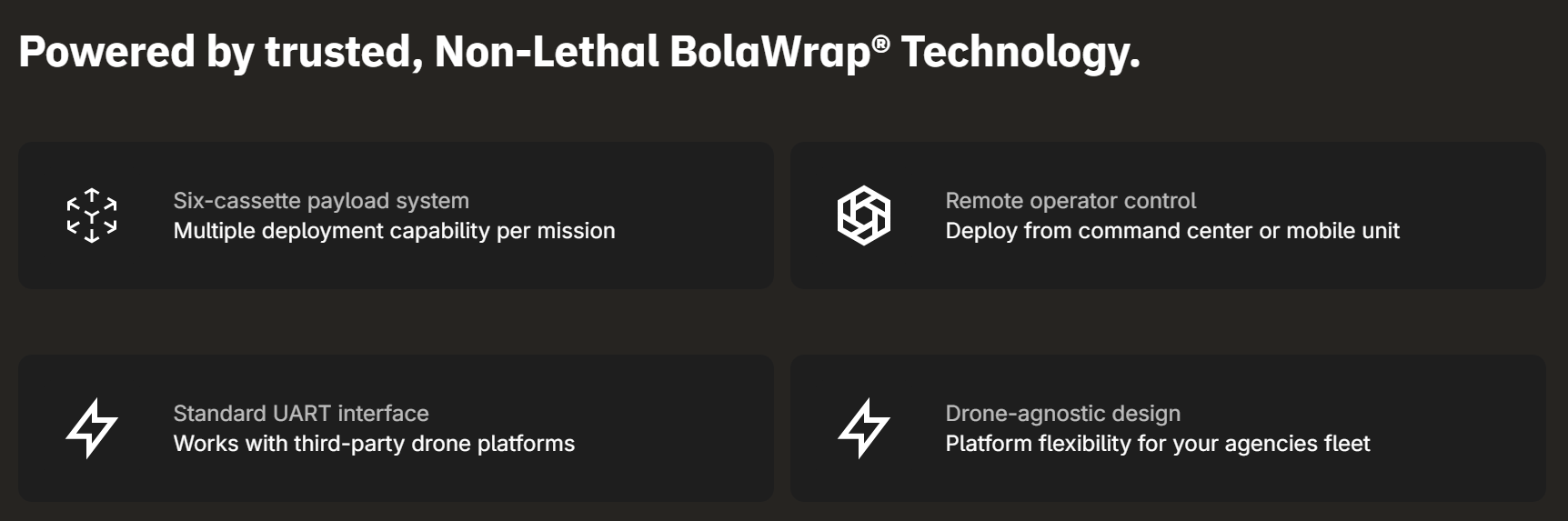
🧭 Operational Use and Benefits
Law-enforcement agencies could use MERLIN for de-escalation, crowd control, or suspect interdiction before direct contact — reducing the risk of injury to both officers and civilians. The device converts “Drone-as-First-Responder” systems from passive surveillance tools into active, hands-off intervention platforms, giving departments new flexibility in critical-response scenarios.

⚠️ Policy and Market Impact
The announcement has already drawn interest — and scrutiny. Advocates view it as a major advancement in non-lethal technology, while critics warn about ethical and legal concerns over remote use-of-force standards. Regardless, MERLIN positions Wrap at the centre of a fast-emerging public-safety drone market, expanding its reach beyond handheld restraint devices into scalable, AI-assisted law-enforcement systems. If accepted by agencies, it could significantly widen Wrap’s addressable market — but success will hinge on policy approval and public trust.
🍫 The Aviation Box of Chocolates
Welcome to The Aviation Box of Chocolates — our brand-new newsletter feature where, just like Forrest Gump said, “you never know what you’re gonna get.” Each week we’ll unwrap a surprise mix of under-the-radar products and companies, untold aviation stories, curious fun facts, and unexpected finds from across the skies. This will be our little Saturday treat exclusively for subscribers and paying members — not part of the main show, but something special just for you.
🛠️ Kelly Johnson and the Skunk Works — Innovation Born in a Hangar
✈️ The Quiet Genius Behind the Fastest Planes Ever Built
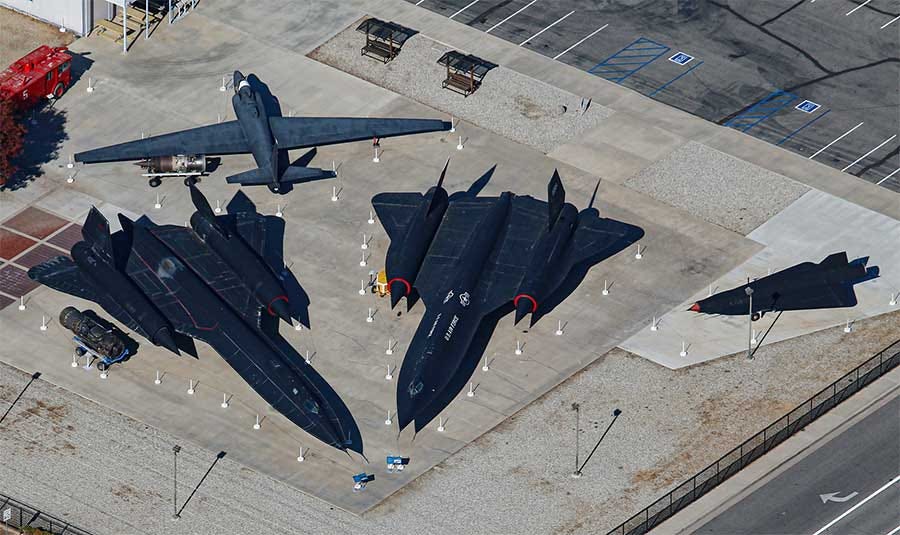
When most companies needed hundreds of engineers and years of bureaucracy, Clarence “Kelly” Johnson proved that a small, focused team could outfly everyone else. Working at Lockheed in the 1940s, he founded a secret division that would go on to create some of the most advanced aircraft in history — including the U-2 spy plane, the SR-71 Blackbird, and the F-117 Nighthawk. His philosophy was simple: “Be quick, be quiet, be on time.”

⚙️ How the Skunk Works Operated
Johnson built the Skunk Works as a sandbox for radical ideas — far from corporate oversight, where engineers could improvise, test, and build without red tape. Projects were developed in record time: the XP-80 Shooting Star, America’s first operational jet fighter, went from concept to flight in just 143 days. Johnson insisted on small teams, direct communication, and total trust — rules that still influence aerospace startups and defence innovation programs today.

🧠 The Legacy — A Template for Innovation
The Skunk Works became more than a division; it became a philosophy. It showed that the future of flight isn’t always found in giant facilities or government contracts, but in small groups of relentless engineers who dare to build faster than the rulebook allows. Johnson’s mantra still echoes in the modern eVTOL and AAM world — from stealth bombers to electric air taxis, every bold prototype owes something to the hangar in Burbank where secrecy met genius.
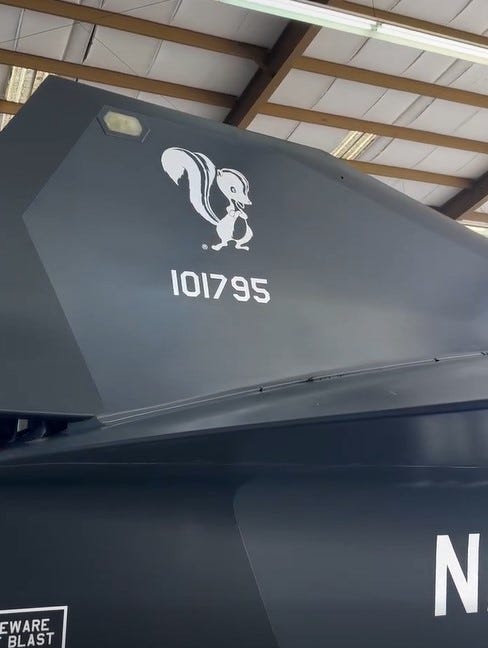
The Skunk Works also referenced in Top Gun: Maverick (2022) as an emblem on the Darkstar testing aircraft.
📸 Picture of the Week
One shot, one story. The image that defined this week in the world of eVTOLs and aviation.
Andrew McCarthy on X and his pictures of comet C/2023 A3:
Captured last night- probably the coolest comet shot I’ve ever gotten. I’ve never seen such a dynamic tail on a come. Incredible active, and moving quickly, which makes photographing it a challenge.
https://x.com/AJamesMcCarthy/status/1982601788621803521

💸 Introducing: The Ultimate eVTOL Market Trading 212 Pie
⚠️ Disclaimer: This pie is for entertainment and informational purposes only. It is not financial advice.
Retail investors looking to enter the eVTOL space are met with one big problem: there’s no ETF dedicated to this transformative market—yet. That’s why we created The Ultimate eVTOL Market Trading 212 Pie: a curated, balanced portfolio that gives you exposure to every critical tier of the eVTOL ecosystem.
Link to the eVTOL Pie here:
https://www.trading212.com/pies/lu9LjaG6fqknxzodrGm9AYCd1aENp
This pie is more than a watchlist. It’s a smart, evolving benchmark built for those who believe in the electric air mobility revolution and want to stay ahead of the market as it develops.
✅ Why this Pie?
Solves the ETF gap for retail investors wanting focused exposure to the eVTOL industry
Covers the full ecosystem: from manufacturers (Tier 1), to institutional backers (Tier 0), to suppliers and operators (Tier 2)
Actively balanced: proportioned for long-term growth, not just hype
Weekly performance tracking: stay updated on stock price changes and key market movements
Ideal for beginners and experts: whether you're new to the sector or deep in AAM research
📊 The pie currently includes 29 companies, each with a defined role in shaping the future of urban air mobility. From $ACHR and $JOBY to $BA, $PLTR, $RR, and more—we’ve got the vertical covered.
⚠️ Again, a reminder: This is not financial advice. This pie is intended for entertainment and educational purposes only—to help visualize and track the evolution of the eVTOL market as a whole.
Tier 1 – eVTOL Manufacturers (45.5%)
Archer Aviation – $ACHR – 11% – U.S.-based eVTOL manufacturer developing the Midnight aircraft for urban air mobility, targeting commercial launch by 2025–2026.
Joby Aviation – $JOBY – 11% – California-based eVTOL pioneer focused on passenger air taxi services, with extensive FAA certification progress.
Vertical Aerospace – $EVTL – 9% – UK eVTOL company developing the VX4, with a strong pre-order pipeline but still in prototype flight testing.
EHang – $EH – 5% – Chinese autonomous aerial vehicle company, first to receive type certification for a passenger-carrying eVTOL.
Eve Air Mobility – $EVEX – 3.5% – Embraer-backed eVTOL firm with a unique focus on air traffic management software alongside its aircraft.
Horizon Aircraft – $HOVR – 3% – Canadian hybrid-electric VTOL developer targeting longer-range missions with its Cavorite X-series.
AIRO Group – $AIRO – 2% – Aerospace group developing eVTOL solutions for both civil and defense applications.
Global Electric VTOL – $GEV – 1% – Developer of fully electric vertical lift aircraft with a focus on sustainability and niche markets.
Tier 0 – Parent & Institutional Investors (24.5%)
Delta Air Lines – $DAL – 3% – U.S. legacy carrier investing in eVTOL partnerships to expand urban mobility offerings.
Textron – $TXT – 3% – Parent company of Bell Helicopter, entering the eVTOL market with tiltrotor and electric concepts.
Toyota Motor – $TM – 3% – Japanese auto giant providing funding, engineering, and supply chain support to eVTOL programs like Joby.
United Airlines – $UAL – 3% – U.S. airline with significant eVTOL pre-orders to integrate into regional and city-center routes.
Airbus – $AIR – 2.5% – European aerospace leader developing its own eVTOL and UAM ecosystem solutions.
Boeing – $BA – 2.5% – U.S. aerospace giant backing Wisk Aero and other advanced air mobility projects.
Stellantis – $STLA – 2.5% – Automotive group partnering with Archer to mass-produce eVTOL aircraft.
BlackRock – $BLK – 2% – Major institutional investor with holdings across multiple eVTOL and aerospace companies.
Embraer – $ERJ – 2% – Brazilian aircraft manufacturer and parent company of Eve Air Mobility.
Honda Motor – $HMC – 1% – Japanese automotive leader developing its own hybrid eVTOL concept.
Tier 2 – Operators & Suppliers (30%)
Blade Air Mobility – $BLDE – 5% – U.S.-based urban air mobility operator transitioning from helicopters to eVTOL aircraft.
Bristow Group – $VTOL – 4.5% – Global vertical flight operator planning to integrate eVTOLs into offshore and urban missions.
Honeywell – $HON – 3% – Aerospace systems provider supplying avionics and propulsion technology for eVTOL programs.
Surf Air Mobility – $SRFM – 2.5% – Electric aviation operator focusing on regional mobility and commuter air routes.
Leonardo DRS – $DRS – 2% – Defense contractor supplying mission-critical electronics and systems to aerospace projects.
Palantir – $PLTR – 2% – Data analytics firm providing AI-driven operational platforms for eVTOL and aerospace logistics.
Rolls-Royce – $RR – 2% – Power systems manufacturer developing electric and hybrid propulsion for advanced aircraft.
Uber – $UBER – 2% – Rideshare giant with past eVTOL initiatives and potential future urban mobility platform integration.
▶️Amprius Technologies – $AMPX – 1.5% – Battery technology company producing high-energy-density cells for aviation.
▶️L3Harris Technologies – $LHX – 1.5% – Aerospace and defense supplier with expertise in hybrid propulsion and mission systems.
Cisco – $CSCO – 1% – Networking technology provider supporting smart infrastructure for vertiports and air traffic systems.
Dassault Systèmes – $DSY – 1% – Developer of 3D design and simulation software widely used in eVTOL R&D.
Safran – $SAF – 1% – Aerospace manufacturer producing electric motors, avionics, and landing systems for eVTOL aircraft.
▶️AECOM – $ACM – 1% – Global infrastructure engineering firm capable of designing and building vertiports and mobility hubs.
Disclaimer: This is for entertainment and informational purposes only. It is not financial advice (NFA).

🔍See poll results from our X account below:
We asked - you delivered! Every week, we run a poll on our X account.
No polls were held last week.
👉 Follow us and join us as we unpack the next chapter in Joby’s ascent.
🔗 Connect with Us
Stay plugged in across platforms:
Sensei on X: sensei_crypto_
Martyn Lucas on X: MartynInvestor
Vaz on X: eVTOLHUB
💎 Premium Discord Access: Join the Discord
📺 YouTube Channel (Live & Replays): Martyn Lucas Investor
👕 Limited Merch: Shop Here