


🚁 Joby’s S4: The Flagship eVTOL Takes a Strategic Turn
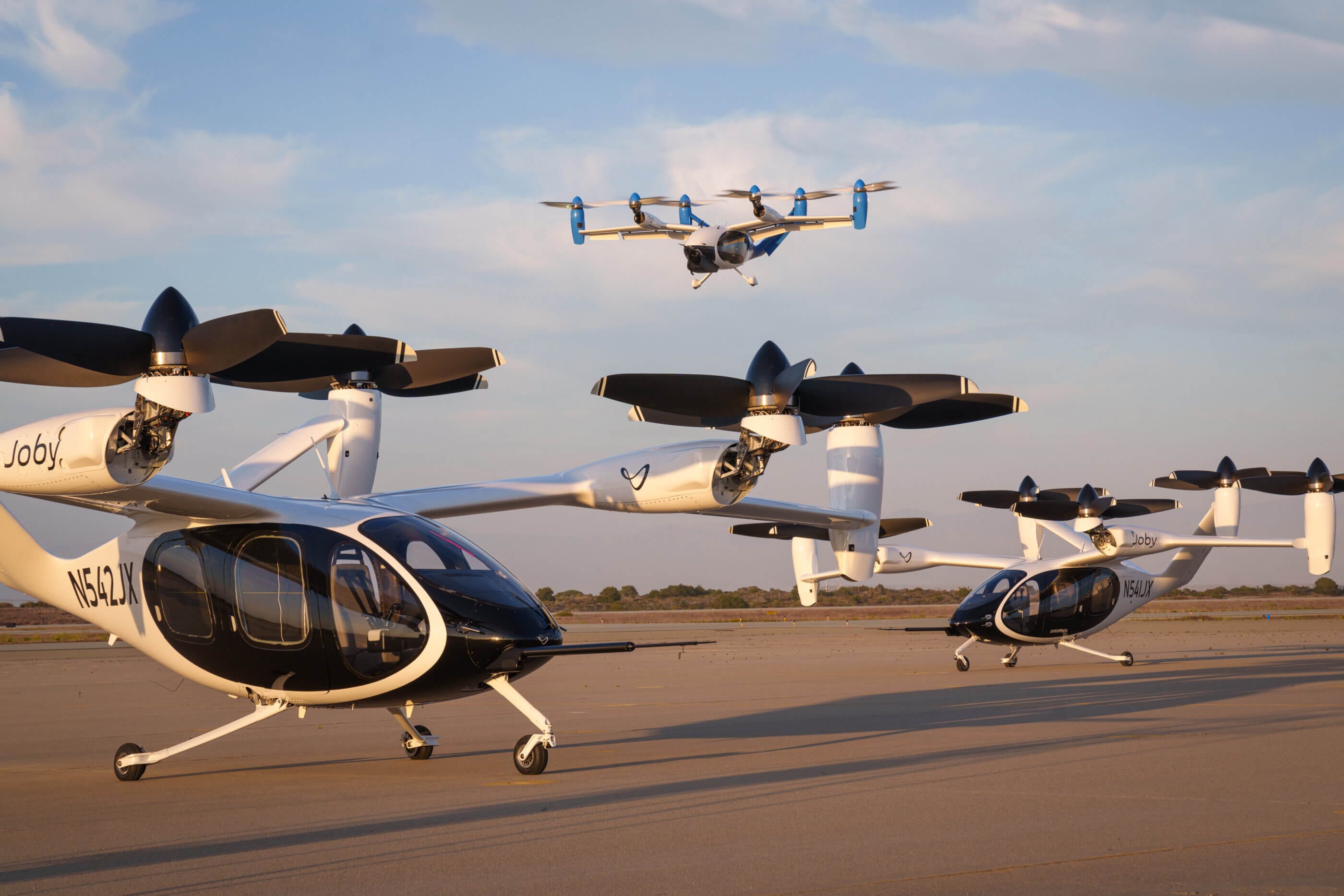
Joby Aviation’s S4 is one of the most advanced eVTOL aircraft in development today. Designed for five occupants, the S4 combines vertical takeoff and landing capabilities with fully electric propulsion, low noise, and zero-emissions in flight. Its performance and refinement have positioned it as a leading candidate for urban air mobility. Now, it’s being considered for something far more demanding: military deployment.
JOIN US FOR THE SATURDAY LIVE EVTOL SHOW WITH VAZ
🔗 Connect with Us
Stay plugged in across platforms:
Sensei on X: sensei_crypto_
Martyn Lucas on X: MartynInvestor
Vaz on X: eVTOLHUB
💎 Premium Discord Access: Join the Discord
📺 YouTube Channel (Live & Replays): Martyn Lucas Investor
👕 Limited Merch: Shop Here
🤝 Joby and L3Harris Join Forces (August 1, 2025)
In a significant step forward, Joby Aviation announced a new partnership with L3Harris Technologies to co-develop a hybrid-electric VTOL aircraft tailored for defense missions. The collaboration will use Joby’s proven S4 platform as a base, modified with a gas turbine-electric hybrid powertrain and L3Harris’s advanced military integration systems.
Flight testing is expected to begin in Autumn (Fall) 2025, with operational demonstrations planned for 2026.
🔋 The Hybrid Power Unit: Fuel Meets Electric
The upgraded S4 will feature a series-hybrid powertrain—a gas turbine drives an onboard generator, which in turn powers distributed electric motors across the aircraft. Unlike traditional turboshafts, there’s no mechanical connection to the rotors. This architecture allows for long-endurance, flexible operations while maintaining the electric handling qualities and vertical lift of the original aircraft.
The gas turbine will use conventional jet fuel (such as JP-8), aligning with existing military logistics and allowing rapid refueling in the field—something battery-powered aircraft struggle with.
🛡️ Why L3Harris Is the Right Partner
L3Harris is one of the most experienced defense integrators in the industry. Their resume includes:
Converting the rugged Air Tractor platform into the armed OA-1K Sky Warden for U.S. Special Operations—integrating sensors, weapons, and communications systems for austere battlefield environments.
Partnering with Airbus to develop the MQ-72C unmanned cargo helicopter for the U.S. Marine Corps, leading the systems integration for autonomous flight and modular mission systems.
Developing their own Hybrid Quadrotor™ UAV technology, achieving multi-hour hybrid endurance through turbine-electric integration.
L3Harris excels at transforming civilian airframes into robust military platforms. That capability—combined with Joby’s airframe and hybrid-electric expertise—makes this a highly credible pairing. It’s also worth noting that other competitors like Archer Aviation and Anduril Industries are developing similar hybrid VTOLs for defense, confirming a growing consensus around hybrid powertrains in military aviation.

🎯 Use Cases and Technical Benefits of the Hybrid Configuration
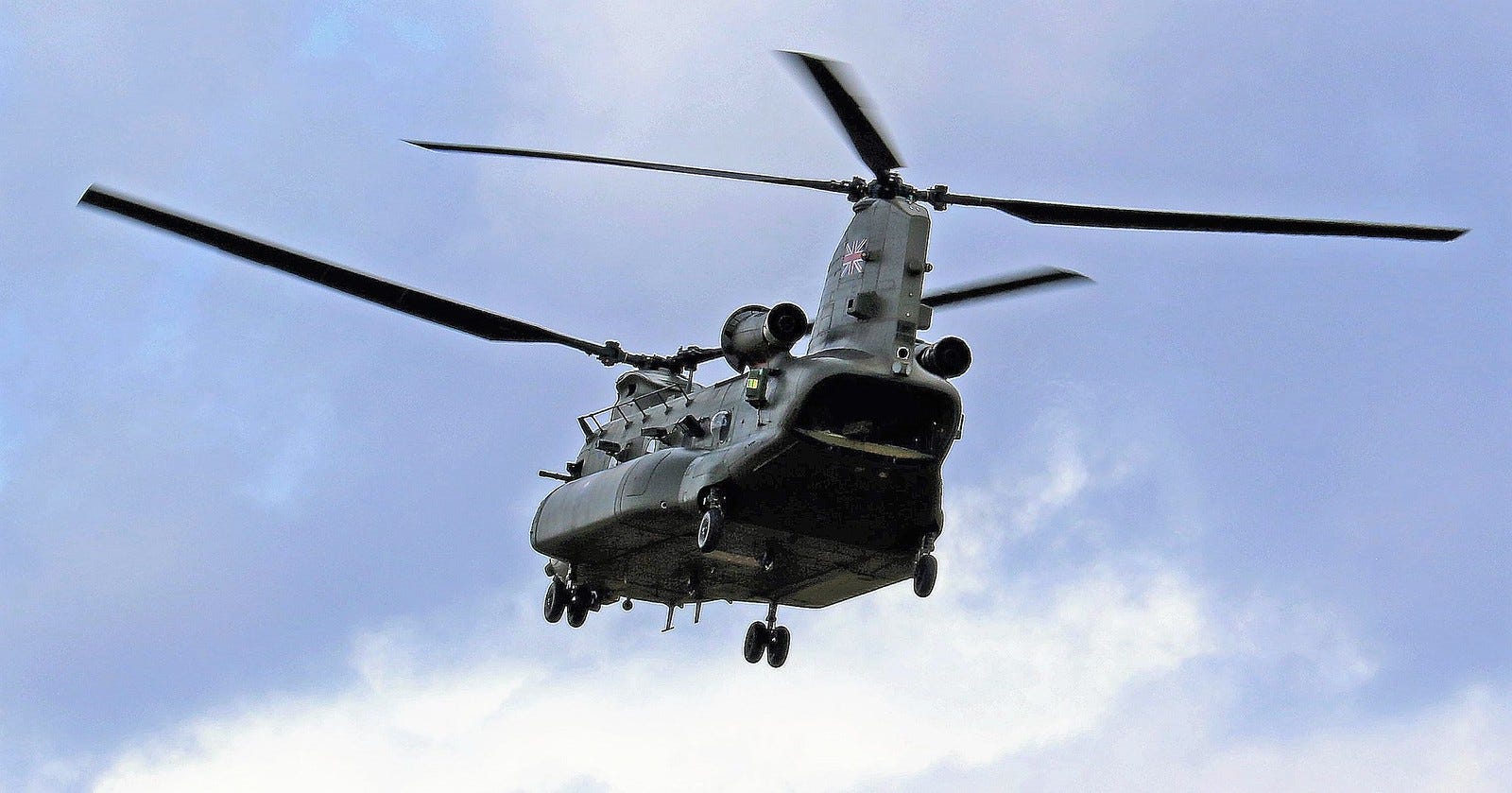
This aircraft is being positioned for a wide range of military missions, including battlefield resupply, electronic warfare, long-range reconnaissance, and optionally piloted or autonomous operations.
The advantages of the gas turbine-electric hybrid configuration are particularly well-suited to defense needs:
Fuel-based endurance: Significantly longer range than battery-only aircraft, and fast refuelling using standard military fuels.
Operational flexibility: Capable of both crewed and autonomous flight profiles.
Low IR and noise signature: During critical phases, the aircraft can run electric-only, reducing thermal and acoustic detection.
Lower maintenance cycles: The turbine operates at a constant optimal RPM, reducing wear and improving lifecycle costs.
That said, this configuration also brings challenges, including added weight, system complexity, and the need for precise heat and power management—especially under demanding military use.
🚨 A Breakthrough Moment for Defense eVTOLs
This partnership is a breakthrough not just for Joby, but for the hybrid-electric VTOL sector as a whole. It signals the shift away from battery-only platforms and toward more versatile, combat-ready configurations. With L3Harris onboard, Joby’s S4 could become one of the first high-endurance hybrid eVTOLs fielded by the U.S. military.
They won’t be alone for long. Competitors like Archer and Anduril are moving fast with similar ambitions. But this new collaboration demonstrates that the hybrid VTOL race is no longer theoretical—it’s operational. And Joby may have just taken the lead.
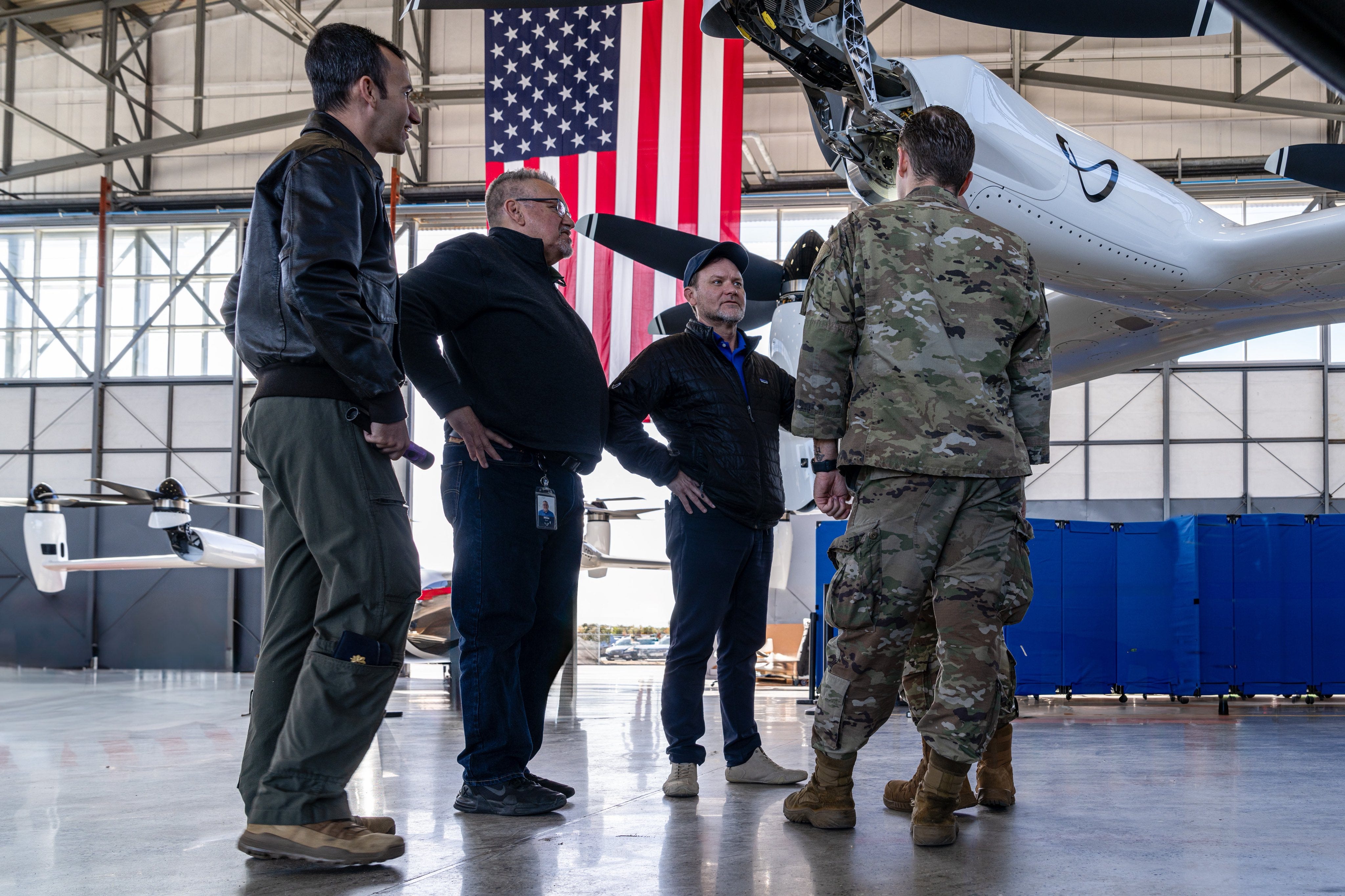
🚁 What Is an eVTOL – And Why Does Hybrid Matter?
An eVTOL (electric vertical take-off and landing aircraft) is an aircraft that uses electric propulsion to hover, take off, and land vertically—similar to a helicopter but quieter, simpler, and more efficient. These vehicles reduce the need for runways and are seen as central to the future of urban air mobility, cargo logistics, and defense applications.
Key advantages include:
🌱 Zero in-flight emissions when battery-powered
🔇 Quiet, low-RPM electric rotors enable operations in noise-sensitive areas
🛠️ Fewer moving parts → lower maintenance and higher reliability
🔋 Fully electric or hybrid-electric power opens doors to energy innovation
🛫 VTOL capabilities eliminate runway dependence
Originally conceived for city travel, eVTOL’s are now attracting serious attention from military and regional transport operators as the technology evolves.
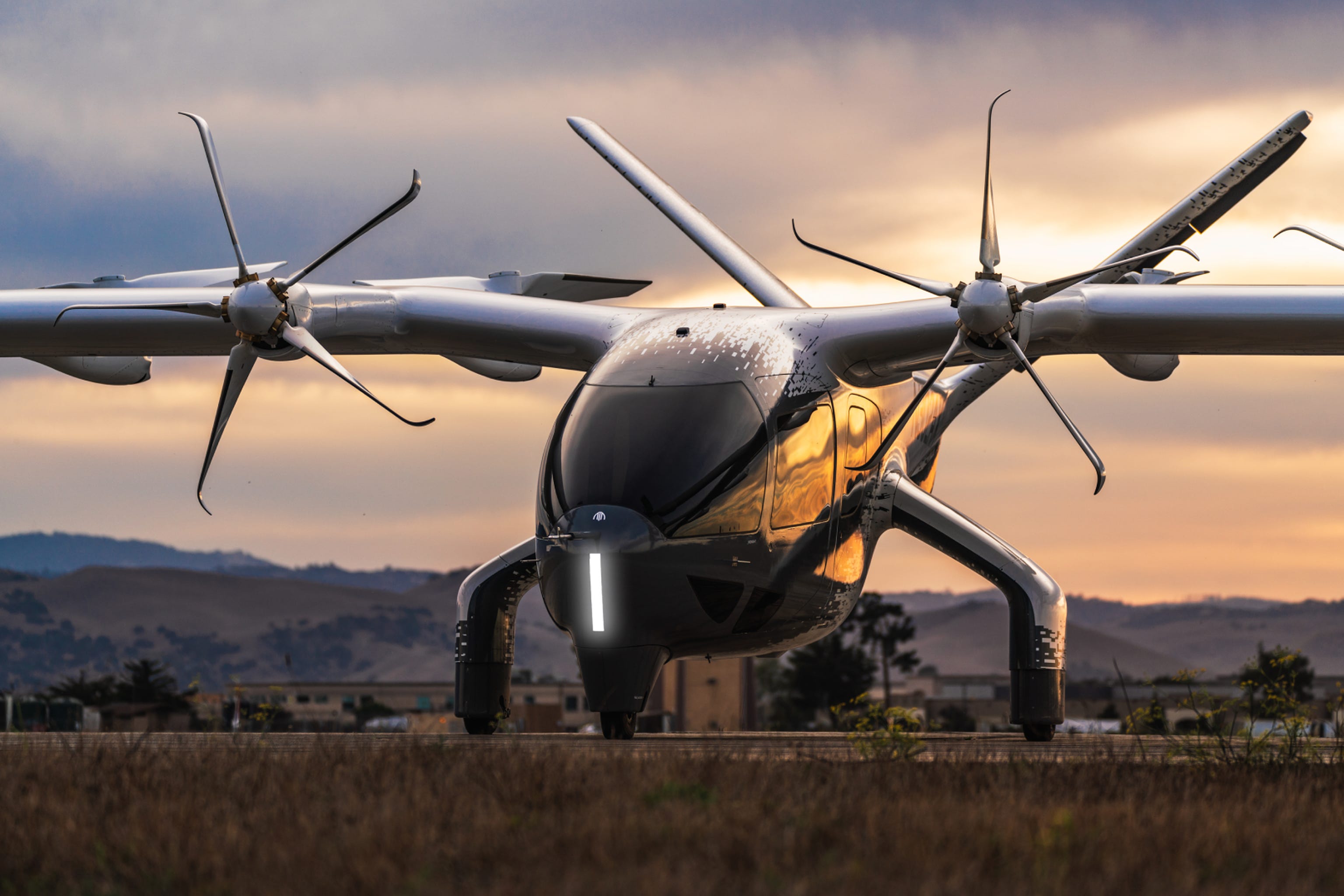
🔋 Limited Range? Hybrid Systems Turn It Around
Pure battery-electric eVTOLs are typically limited to ranges under 150 miles—enough for city commuting but too short for defense, cargo, or regional operations. This has prompted a rapid shift toward hybrid-electric propulsion systems that extend range and endurance while preserving the agility and low-noise benefits of electric lift.
Hybrid-electric eVTOLs pair the core electric drive with an onboard power generator—either a gas turbine or hydrogen fuel cell—allowing the aircraft to fly longer, refuel faster, and support heavier payloads. In military programs like the U.S. Air Force’s Agility Prime, this pivot toward hybrid propulsion is now seen as essential for real-world deployment.

⚙️ Hybrid Power Architectures – Explained with Aircraft Examples
Hybrid propulsion systems come in a few core architectures. Below is a breakdown of the main types—with real aircraft examples to help your audience visualize each one in practice.
Series Hybrid (Turbo-Electric)
Turbine drives an electric generator
Generator powers distributed electric motors for thrust
No mechanical link to rotors or fans
✅ Simplifies power distribution, enables quiet and flexible rotor layout
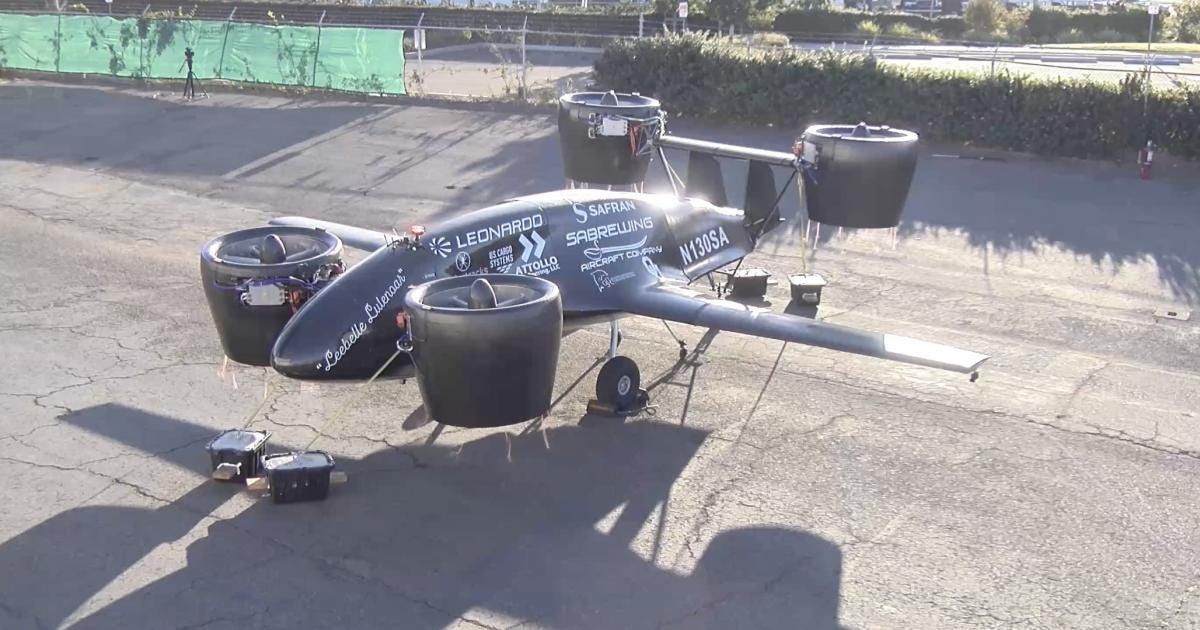
Example: Sabrewing Rhaegal-B
A large unmanned cargo eVTOL with a turboshaft engine powering electric ducted fans
Designed for 2,000 lb payloads with no battery, purely generator-driven
Series Hybrid with Battery
Same as above, but includes a battery to:
Boost power during takeoff
Allow short-duration all-electric (silent) flight
Buffer power demand and turbine load