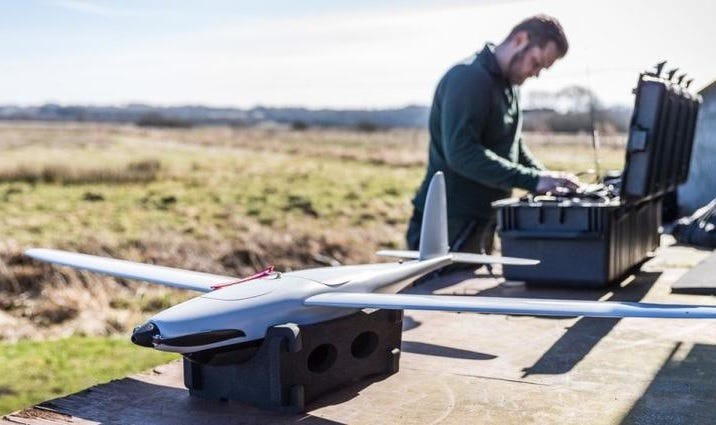
✈️ The Drone That Delivered a Revolution
In a striking symbolic move, the Pentagon’s new drone directive was physically delivered to senior defense officials via a quadcopter landing on the Pentagon lawn — a message as literal as it was strategic. The memo, signed by U.S. Secretary of Defense Pete Hegseth, orders the military to immediately accelerate the deployment, training, and integration of small unmanned aerial systems (UAS) across all branches. Titled “Unleashing U.S. Military Drone Dominance,” the order frames small drones as a battlefield revolution and lays the groundwork for transforming America into the global leader in unmanned combat systems by 2027.
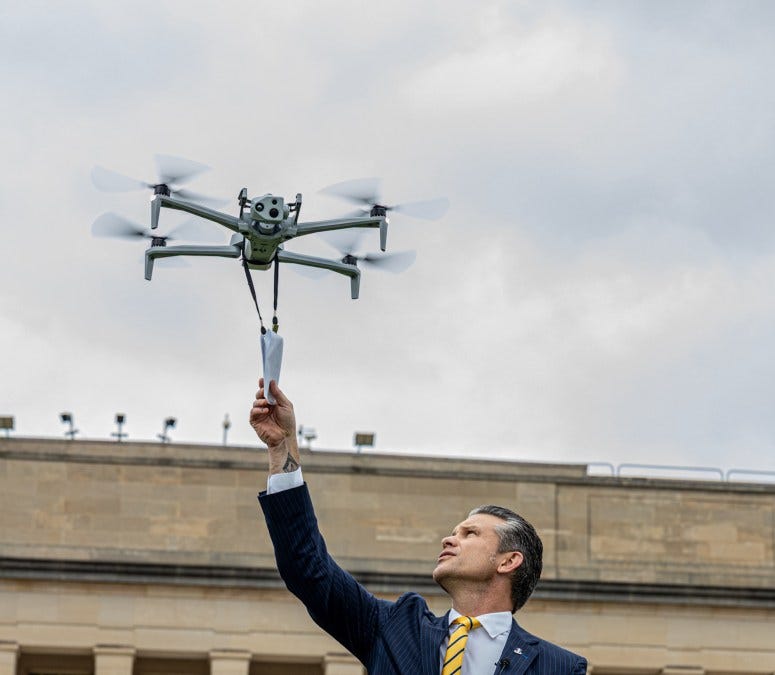
🛡️ From Bureaucracy to Battlefield
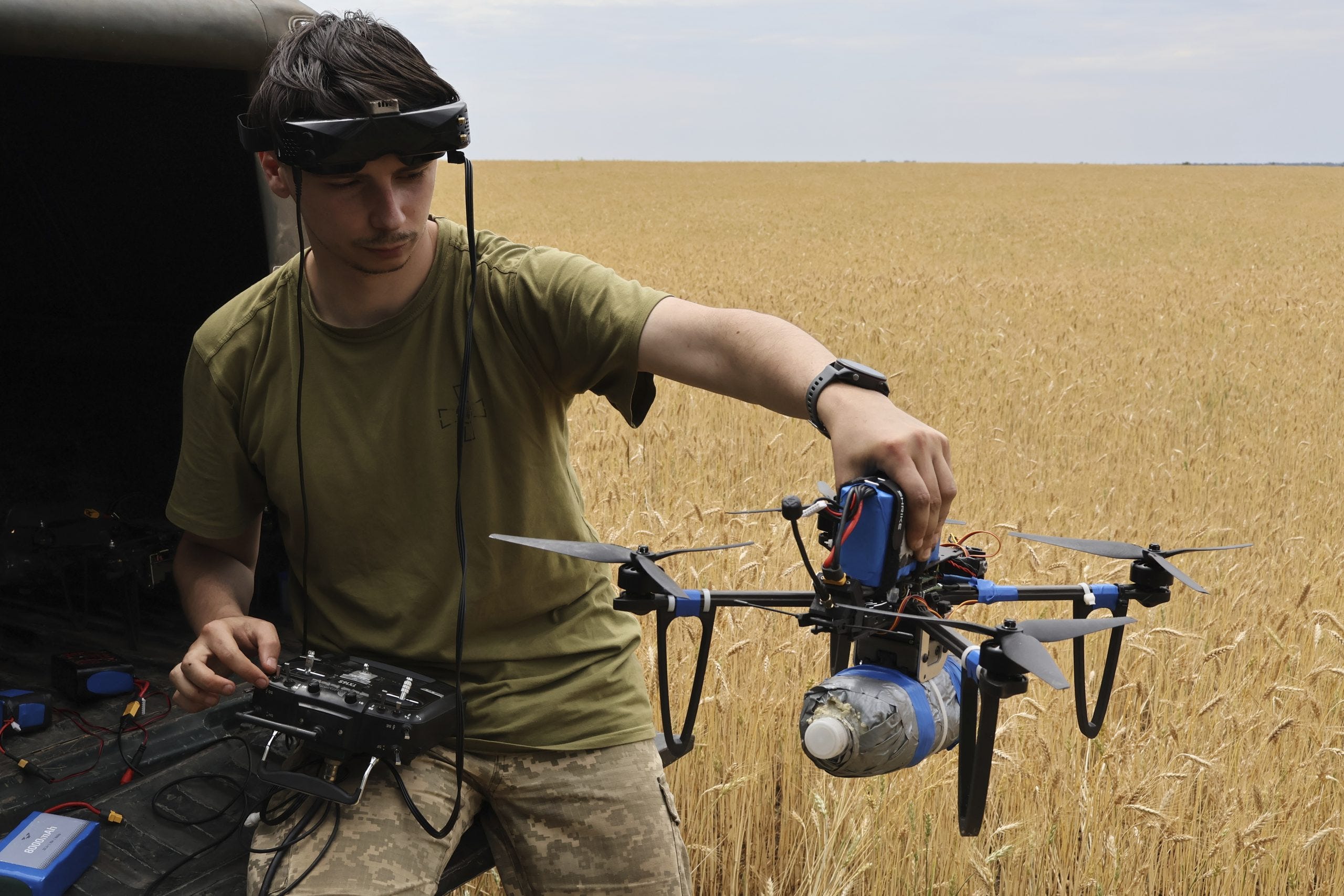
This initiative follows Executive Order 14307, signed by President Trump on June 6, 2025, which called for the United States to dominate both commercial and military drone sectors. Secretary Hegseth’s follow-on memo responds to years of criticism over Pentagon bureaucracy and underinvestment in small UAS — particularly as adversaries like China, Russia, and Iran have flooded the battlefield with cheap, effective drones. The directive rescinds restrictive legacy policies and empowers field commanders to buy, test, and deploy small drones immediately, without navigating traditional red tape.
JOIN US FOR THE SATURDAY LIVE EVTOL SHOW WITH VAZ
🔗 Connect with Us
Stay plugged in across platforms:
Sensei on X: sensei_crypto_
Martyn Lucas on X: MartynInvestor
Vaz on X: eVTOLHUB
💎 Premium Discord Access: Join the Discord
📺 YouTube Channel (Live & Replays): Martyn Lucas Investor
👕 Limited Merch: Shop Here
📈 Operational Advantage and Strategic Benefits
The benefits are multifaceted: every U.S. squad, from infantry to special forces, will be equipped with low-cost drones for reconnaissance, strike, and logistics. These systems will increase battlefield awareness, lethality, and survivability — while reducing operational risk and cost. The initiative also emphasizes autonomy and artificial intelligence, enabling swarming tactics, loitering munitions, and next-gen battlefield integration. It signals a cultural shift inside the DoD — from risk aversion to rapid experimentation — and opens the door for new procurement and training models.
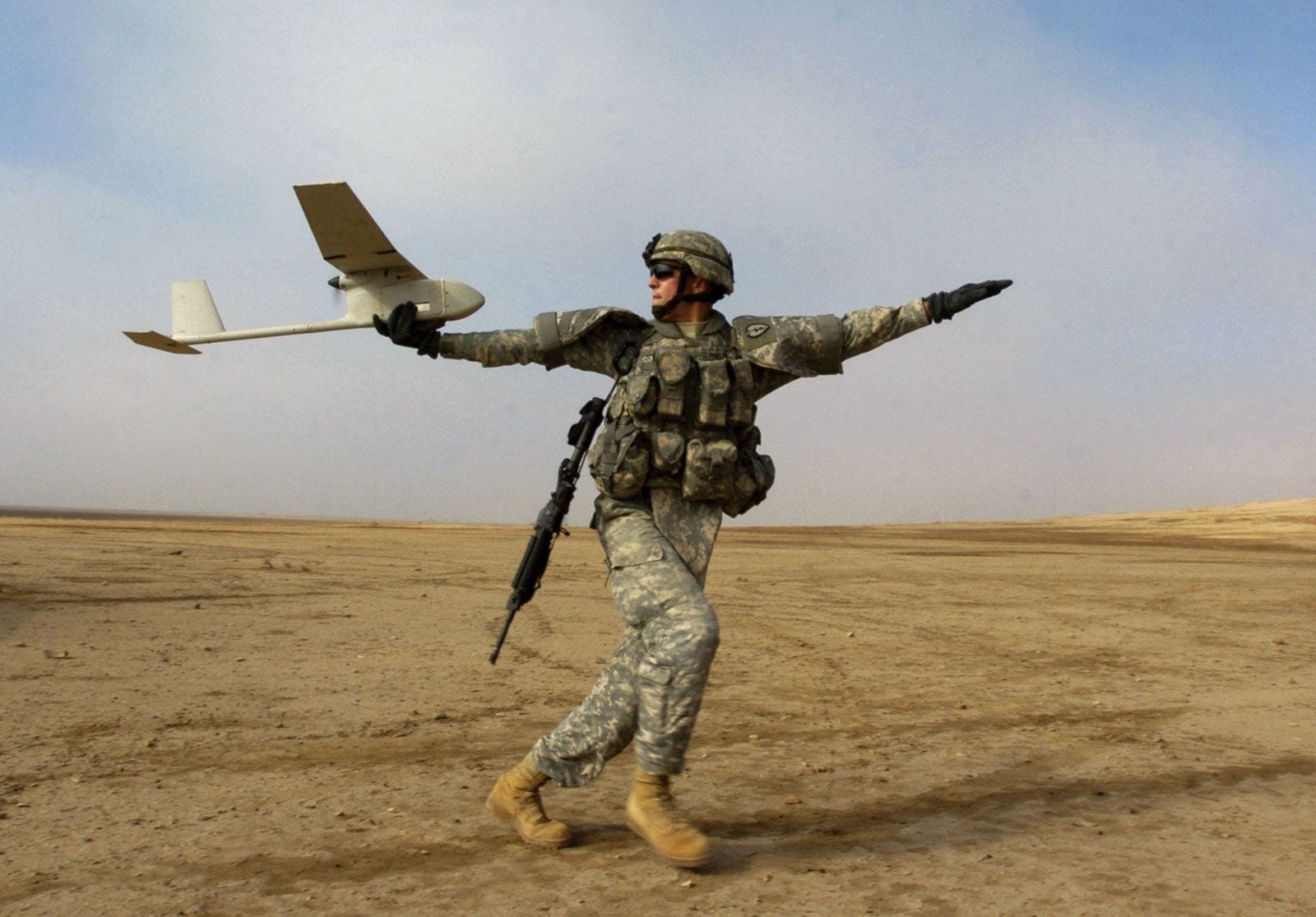
📅 Deadlines, Deployment, and Disruption
The order is more than aspirational — it sets hard deadlines. By September 2025, each military service must stand up active-duty drone units. By early 2026, new national drone test ranges will be operational, and the bureaucratic “Blue List” of approved systems will be digitized and scaled. By the end of FY2026, every squad is expected to have access to attack and surveillance drones as standard gear. And by 2027, the U.S. aims to lead the world in small UAS deployment. This is not just a military transformation — it's a seismic shift in defense strategy with implications for supply chains, R&D, and global deterrence.
📅 Will the US aerospace industry dominate the world?
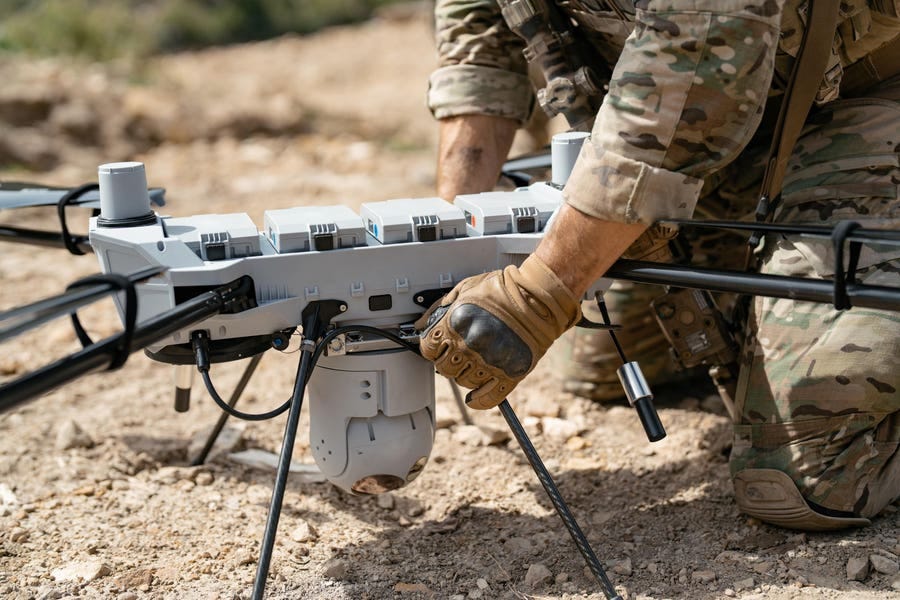
The drone surge is not unfolding in isolation. It arrives alongside the Big Beautiful Bill — signed July 4, 2025 — which unlocks billions for ATC modernization and aerospace infrastructure through the FAA. While Hegseth’s memo transforms the tactical battlefield with autonomous drones and frontline integration, the BBB targets the strategic airspace — rebuilding radar stations, digitizing ATC systems, and preparing the national airspace for unmanned and advanced air mobility operations. Together, these two moves reflect a clear federal alignment: unlock innovation, remove bottlenecks, and rapidly scale U.S. aerospace capabilities across both defense and civilian sectors. As drone dominance is pursued on the battlefield and digital ATC reforms are implemented in the sky, the message is clear — America is entering a phase of accelerated aerospace expansion, with capital, contracts, and opportunities about to lift off.
🛠️ The Drone Memo: A Historic Lift-Off for U.S. Manufacturers
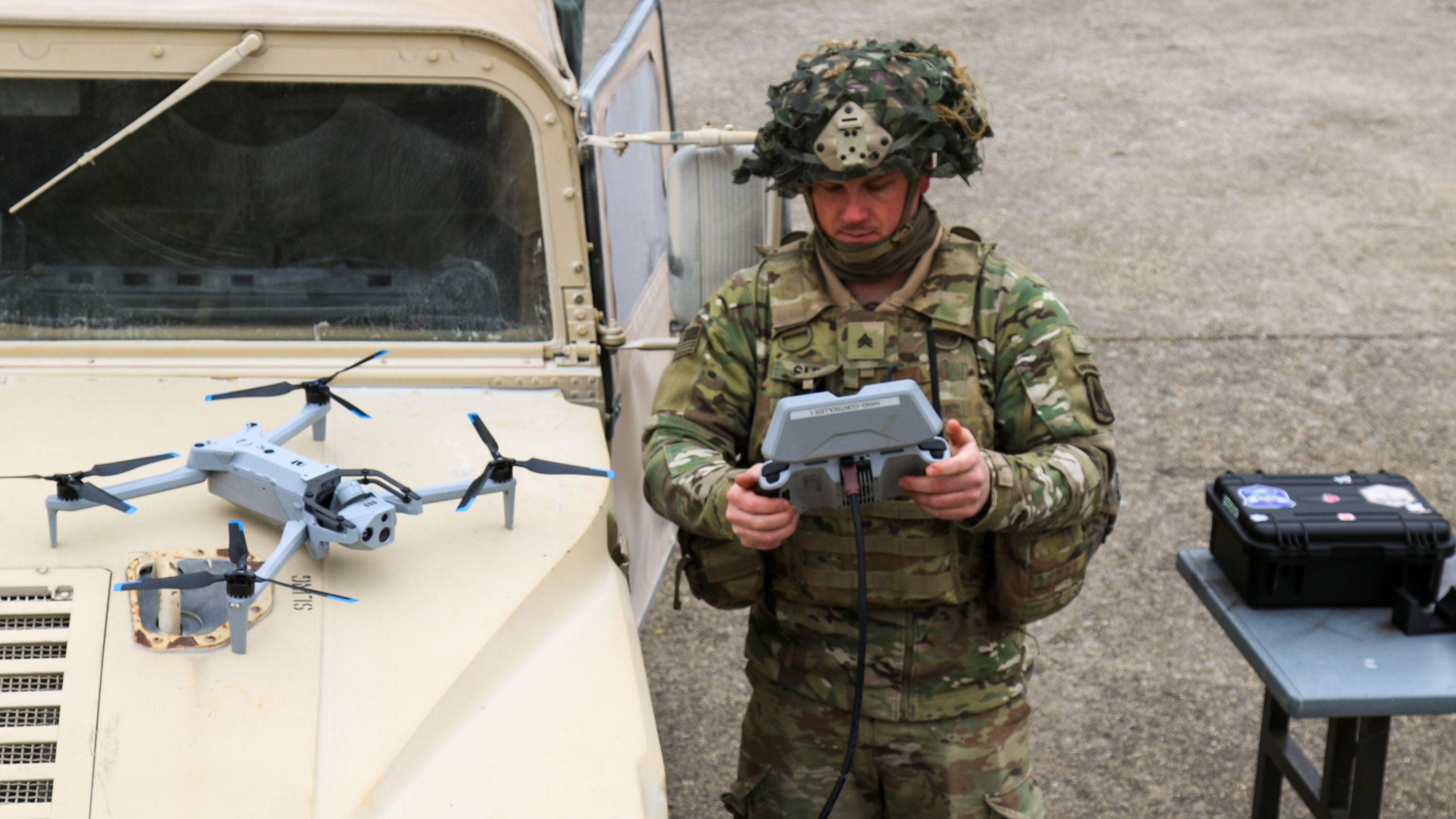
Hegseth's July 2025 drone directive isn't just a battlefield transformation — it's a market-shifting catalyst for the entire American unmanned aerial systems (UAS) sector. With immediate procurement authority, fast-tracked certification processes, and billions in expected funding through FY2026 and FY2027, U.S.-based drone manufacturers now face unprecedented demand and scale opportunities. The memo favors domestically produced, high-performing, low-cost drones. This effectively sidelines foreign competitors while empowering American startups, defense tech firms, and dual-use innovators to dominate a rapidly expanding procurement ecosystem. The DoD’s message to industry is clear: bring us drones we can mass-produce, trust, and deploy — now.
🏢 Anduril Industries: The Future of Defense Tech
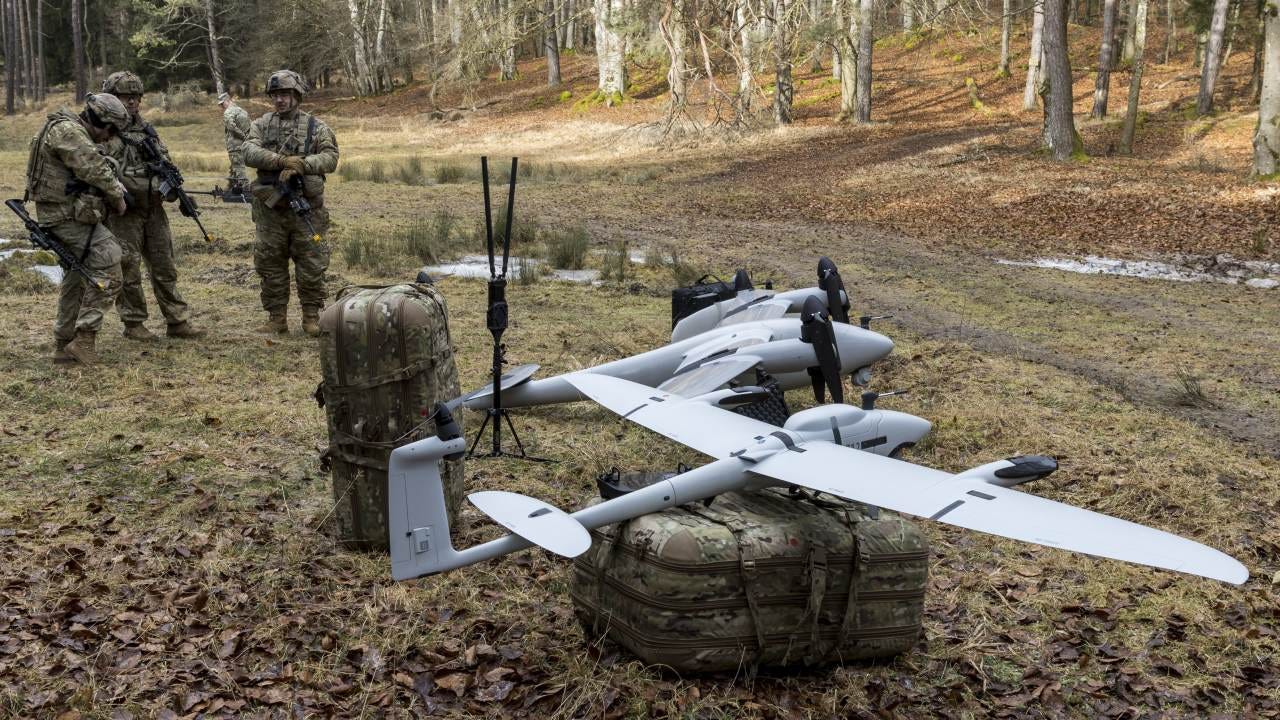
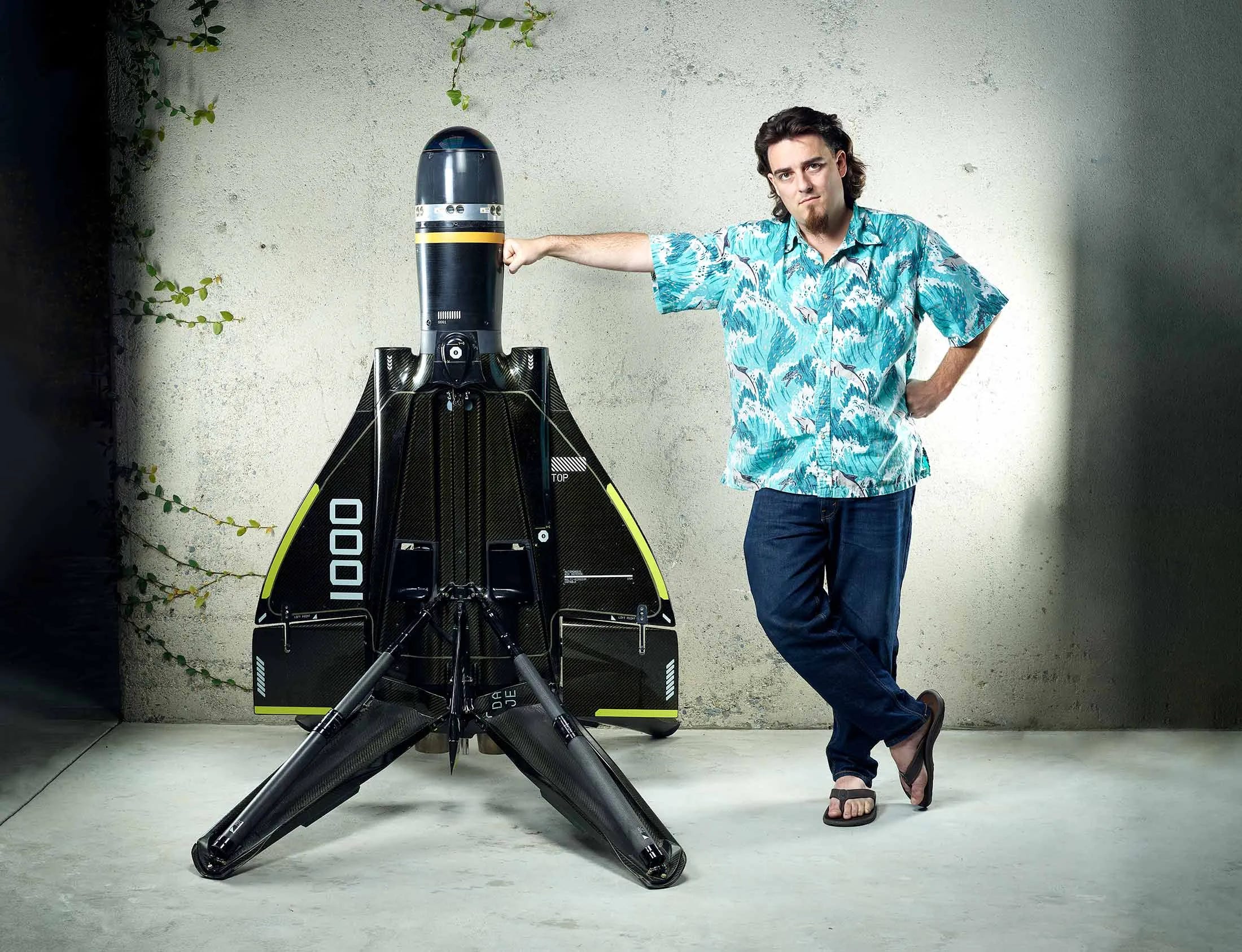
Founded by Oculus co-founder Palmer Luckey, Anduril Industries is a privately held defense technology company at the forefront of autonomous systems. Specializing in AI-enabled hardware and software platforms, Anduril's rise has been rapid — disrupting traditional military procurement with Silicon Valley speed. The company is widely expected to go public in 2025 or 2026, with analysts projecting a valuation potentially exceeding $10 billion. Anduril's strategy isn't just about building drones — it’s about delivering complete autonomous warfare stacks. Its platforms combine aerial drones, surveillance towers, battlefield software (Lattice AI), and swarming capabilities into one integrated ecosystem. In the context of the Hegseth memo, Anduril is uniquely positioned to dominate.
🚁 Anduril's 'Bolt': Tactical Autonomy at the Front Line
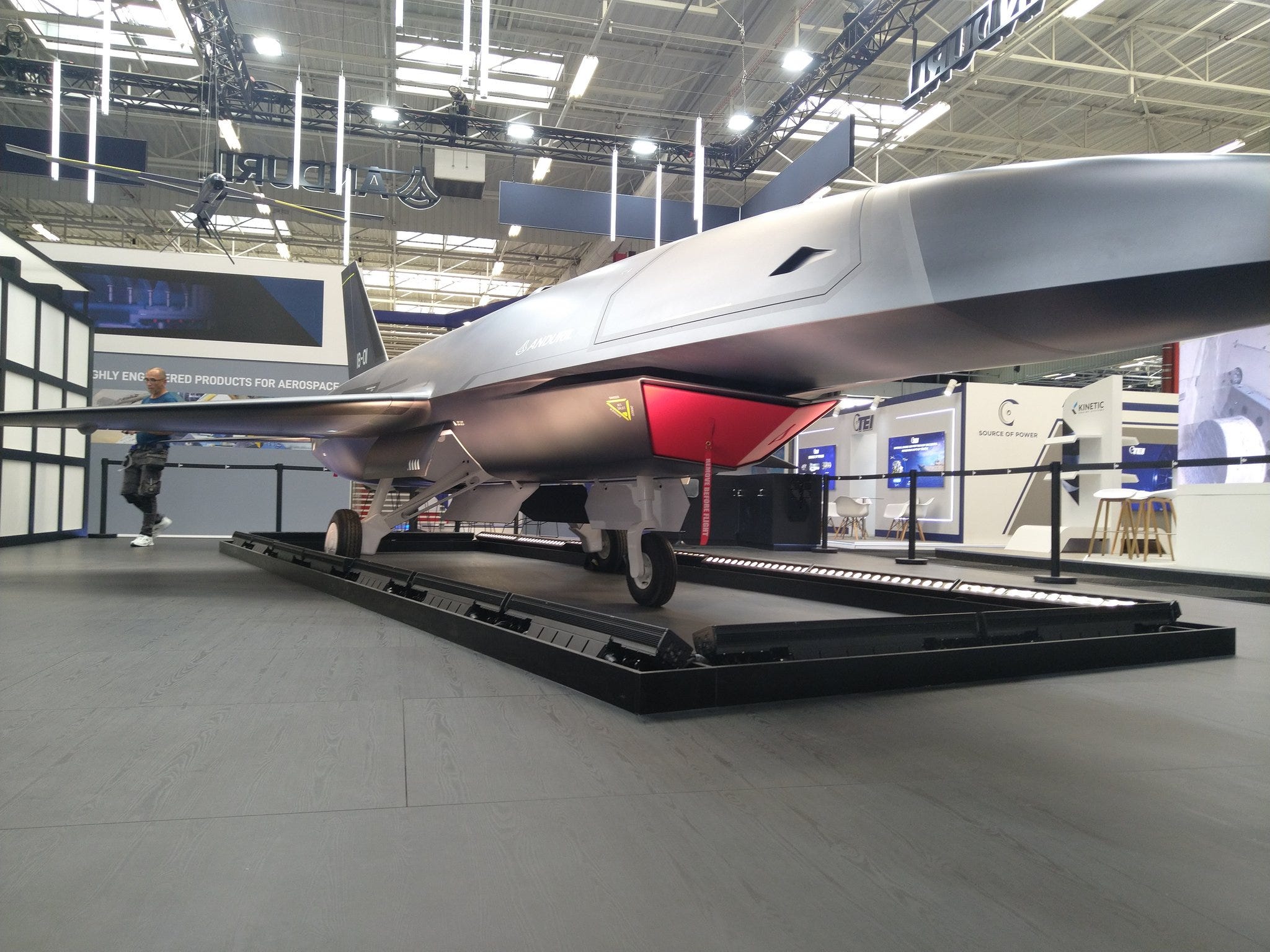
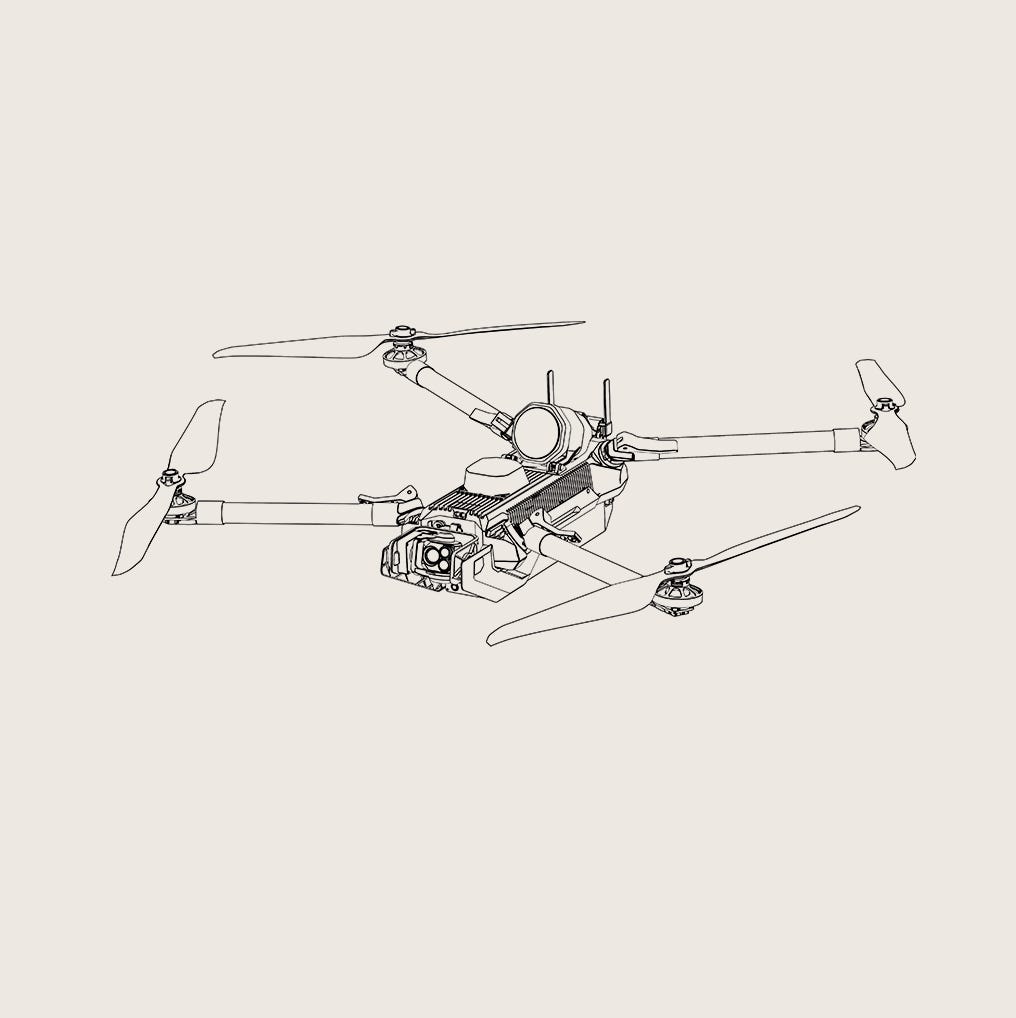
The Bolt is Anduril’s compact quadcopter drone, purpose-built for battlefield reconnaissance and tactical ISR (intelligence, surveillance, reconnaissance) missions. Designed to be lightweight, expendable, and secure, Bolt exemplifies the kind of Group 1–2 drone the Pentagon now wants to field at scale. With autonomous navigation powered by Anduril's Lattice OS, Bolt can operate in GPS-denied environments and integrate swarm logic for coordinated missions. In military simulations, it has proven effective in peer-conflict scenarios and urban combat operations. The Hegseth memo, which emphasizes battlefield-deployable autonomous drones, directly accelerates demand for systems like Bolt — especially in squad-level formations and special operations units.
🧠 Anduril’s Lattice AI: The Brain Behind the Bots
Lattice AI is the unifying software layer that connects Anduril’s platforms — from air to land and sea. It enables autonomous decision-making, sensor fusion, and command coordination across unmanned systems. In the new drone-forward doctrine, Lattice offers what many in the DoD see as the holy grail: a real-time, AI-augmented command and control infrastructure for autonomous warfare. The software already powers several of Anduril's deployed systems and is expected to underpin the Joint All-Domain Command and Control (JADC2) push. With the Pentagon now restructuring drone procurement around autonomy and scale, Lattice is poised to become a foundational technology in U.S. battlefield operations.
📊 Palantir Technologies: The Software Strategist of the Drone Surge
Palantir is best known for its data platforms — Gotham and Foundry — which are widely used across U.S. intelligence and defense agencies. But with the drone memo, Palantir's value proposition intensifies. As the Pentagon looks to create an AI-enabled, real-time operational picture of the battlefield, Palantir's software is essential to making sense of the massive data drones will generate. Moreover, Palantir is already integrating with autonomy platforms and could play a major role in fusing drone sensor data with other battlefield intelligence feeds. As procurement of drones scales, the need for platforms like Palantir’s to coordinate, analyze, and act on drone-derived data becomes a mission-critical layer. Expect contracts, integrations, and visibility to rise in tandem with the drone surge.