🧠 One Big Thing
Ahead of today’s live interview on Martyn Lucas Investor Show, Sensei spotlights Jin Kang, CEO of WidePoint Corporation — a government-focused cybersecurity firm with a market cap of $33.55 million. With quantum-resistant mobile security, longstanding federal contracts, and exposure to a potential $3 billion DHS opportunity, WidePoint is starting to attract fresh attention. Kang has never sold a share — and in this market, that kind of conviction invites a closer look.
💰 Money Move of the Day
The US Dollar Index has crashed 10.1% YTD — its worst start since 1986 — as investors rotate out of USD assets amid fears of political interference at the Fed. With rate cut odds rising, Powell under fire, and foreign holders facing massive foreign exchange losses, capital is shifting toward gold, Bitcoin, and non-dollar-denominated equities. This isn’t noise. It’s a signal.
📊 Market Snapshot
Cryptocurrencies:
Bitcoin (BTC): $107,089 (▼ -0.28%)
Ethereum (ETH): $2,437 (▲ +0.72%)
XRP: $2.15 (▼ -1.69%)
Equity Indices (Futures):
S&P 500 (SPX): 6,110 (▲ +0.28%)
NASDAQ 100: 22,535 (▲ +0.33%)
FTSE 100: 8,744 (▲ +0.38%)
Commodities & Bonds:
10-Year US Treasury Yield: 4.269% (▼ -0.51%)
Oil (WTI): $66.73 (▲ +1.01%)
Gold: $3,323 (▼ -0.31%)
🕒 Data as of
UK (BST): 14:15 / US (EST): 09:15 / Asia (Tokyo): 22:15
✅ 5 Things to Know Today
💵 Dollar Plunges to Three-Year Low as Policy Uncertainty Shakes Investor Confidence
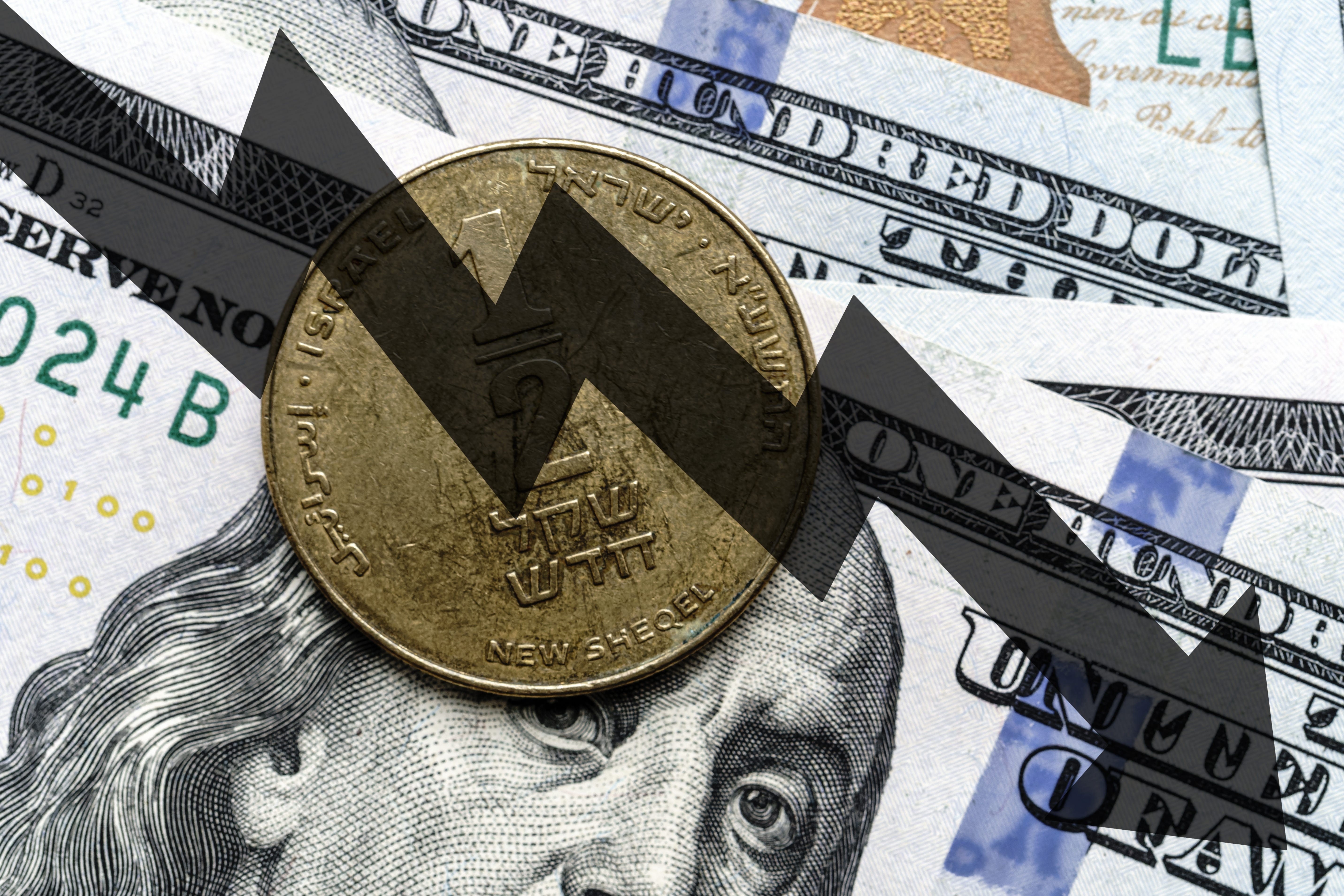
The US Dollar Index (DXY) crashed to 97 today, marking its lowest level since February 2022 and extending this year's brutal decline of 10.1%. The currency hit fresh three-year lows after President Trump suggested he might name Jerome Powell's replacement as Fed Chair as early as September, triggering renewed concerns about central bank independence (Fortune; BPFNews). Market expectations for a July rate cut surged to 25% from 12% the previous week, as traders priced in accelerated policy easing (FXLeaders).
The dollar's collapse reflects a confluence of factors beyond typical market volatility. Trump's chaotic tariff rollout, including the "Liberation Day" agenda in April, has created unprecedented policy uncertainty that's driving capital outflows from US assets (CNN; UK in a Changing Europe). Unlike previous crisis periods, geopolitical tensions haven't boosted dollar demand, with Bitcoin reclaiming $107,000 as investors seek alternative stores of value (FXLeaders; CryptoRank).
Why It Matters: The dollar's steepest first-half decline since 1986 signals a fundamental shift in global capital flows that could reshape investment strategies. Foreign investors holding 30% of US debt face mounting losses when converting Treasury holdings back to their currencies, potentially forcing higher interest rates that would squeeze borrowing costs across the economy (TheStreet). JPMorgan expects the DXY to fall another 5.7% over the next year as US growth underperforms other developed markets, while Bank of America data shows global fund managers hold the lowest dollar allocation in 20 years (Private Bank JPMorgan; TheStreet). This systematic "Sell America" trade threatens the dollar's reserve currency dominance and could force the US to carry 22% less debt than currently sustainable (TheStreet).
Sensei’s Insight: A 10.1% plunge in the US Dollar Index within six months isn't just market noise—it's a structural signal. When the world's reserve currency loses safe-haven appeal amid geopolitical strain, and capital flees despite rising tensions, it suggests deep fractures in global trust. The convergence of Fed independence fears, erratic trade policies, and collapsing foreign demand for Treasuries point to a paradigm shift: the dollar is no longer the anchor it once was. With major institutions like JPMorgan and Bank of America pricing in continued weakness, this isn't a dip—it's a warning.
💥Trump Eyes Fed Shake-Up, Markets Rattle
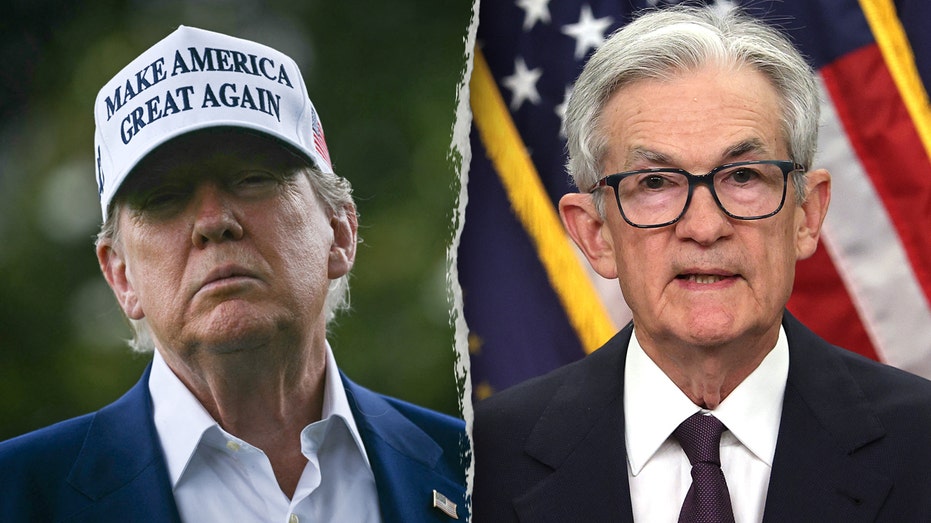
President Donald Trump intensified his pressure campaign against Federal Reserve Chair Jerome Powell this week, telling reporters at the NATO summit in The Hague that he has narrowed his replacement candidates to "three or four people" and declaring Powell "terrible" (Bloomberg, Reuters). The president called Powell "a very average person mentally" and claimed he's "one of the dumbest people" while advocating for immediate interest rate cuts from the current 4.25%-4.50% range (CNN, USA Today). According to a Wall Street Journal report, Trump is considering announcing Powell's successor as early as September or October—well before Powell's term expires in May 2026—to undermine the Fed chair's remaining influence. Leading candidates include former Fed Governor Kevin Warsh, National Economic Council Director Kevin Hassett, and Treasury Secretary Scott Bessent, with current Fed Governor Christopher Waller and former World Bank President David Malpass also under consideration (MarketWatch). Trump's criticism has centered on Powell's refusal to cut rates despite the president's argument that lower borrowing costs could save the federal government $900 billion annually in interest payments (USA Today).
Sensei’s Insight: Trump’s aggressive timeline to name a successor to Powell before 2026 shatters central banking norms and injects political volatility into monetary policy. Markets are responding not just to the possibility of rate cuts—but to the deeper fear of eroded Fed independence. A “shadow chair” scenario could muddle policy signals, disorient global investors, and leave the dollar structurally weaker.
🇯🇵 Japan Defiant on US Auto Tariffs as Seventh Round of Trade Talks Begin
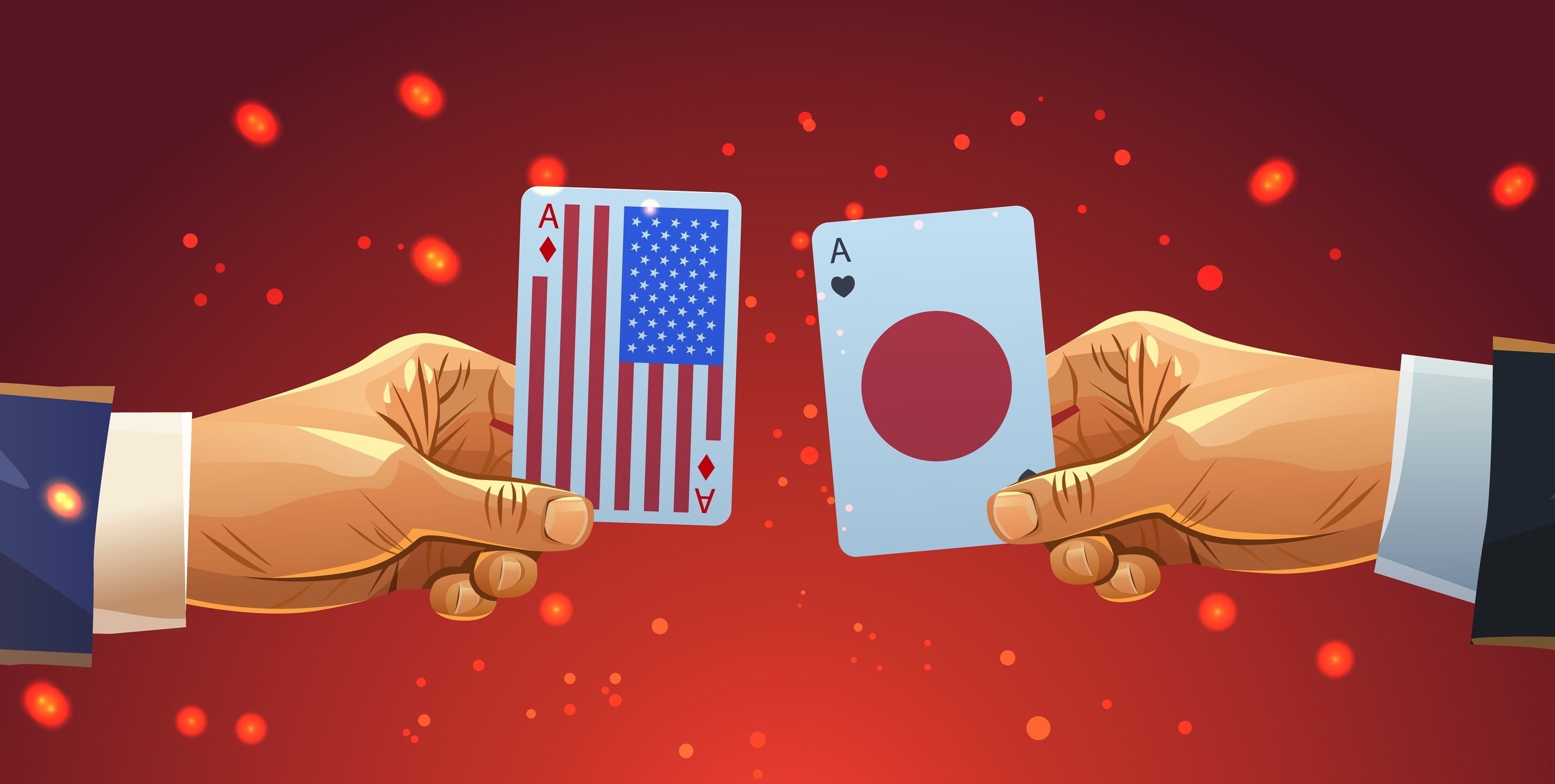
Japan's chief trade negotiator Ryosei Akazawa firmly rejected the US's proposed 25% tariffs on automobiles before departing for Washington Thursday to begin the seventh round of bilateral trade negotiations (Benzinga, Bloomberg). Akazawa declared the tariffs "unacceptable," emphasizing that Japanese automakers already produce 3.3 million vehicles annually in the US—more than double the 1.37 million exported to America (Fortune). He also highlighted Japan's $60+ billion in US auto investments and the 2.3 million American jobs they support (AInvest). Of the 3.3 million cars built in the US by Japanese firms, 300,000 are exported elsewhere—boosting America's auto trade surplus. Despite this, Japan’s trade surplus with the US hit ¥8.6 trillion ($59.4 billion) in 2024, with 82% linked to cars and auto parts (Business Times). The talks precede a July 9 deadline, when tariffs could jump from 10% to 24% unless a deal is reached (Reuters).
Why It Matters for Investors: Japan's auto sector is vital, supporting 5.6 million jobs and contributing 10% of GDP (Metal). Tariff impacts are projected to cost automakers, including Toyota, Honda, Mazda, and Subaru, over $19 billion this fiscal year. The failure of G7 discussions between PM Shigeru Ishiba and President Trump to yield progress raises Japan’s recession risk (Fortune). With six rounds of inconclusive talks and negotiators describing the process as still "in a fog" (Reuters), prolonged tensions could strain Japanese equities, weaken the yen, and disrupt global auto supply chains.
Sensei’s Insight: Tariff talk fatigue is real—but don’t look away now. Japan’s automotive standoff with the US isn’t just about cars; it’s a geopolitical stress test for supply chains, currency stability, and industrial policy. With $19B in earnings on the line and a July 9 tariff spike looming, the yen and Nikkei could face turbulence if diplomacy stalls. Investors should watch for signals from Washington and Tokyo—because one misstep could ricochet across global markets faster than a Toyota off the line.
🏛️ Powell Stands Firm on Rates Amid Congressional Grilling
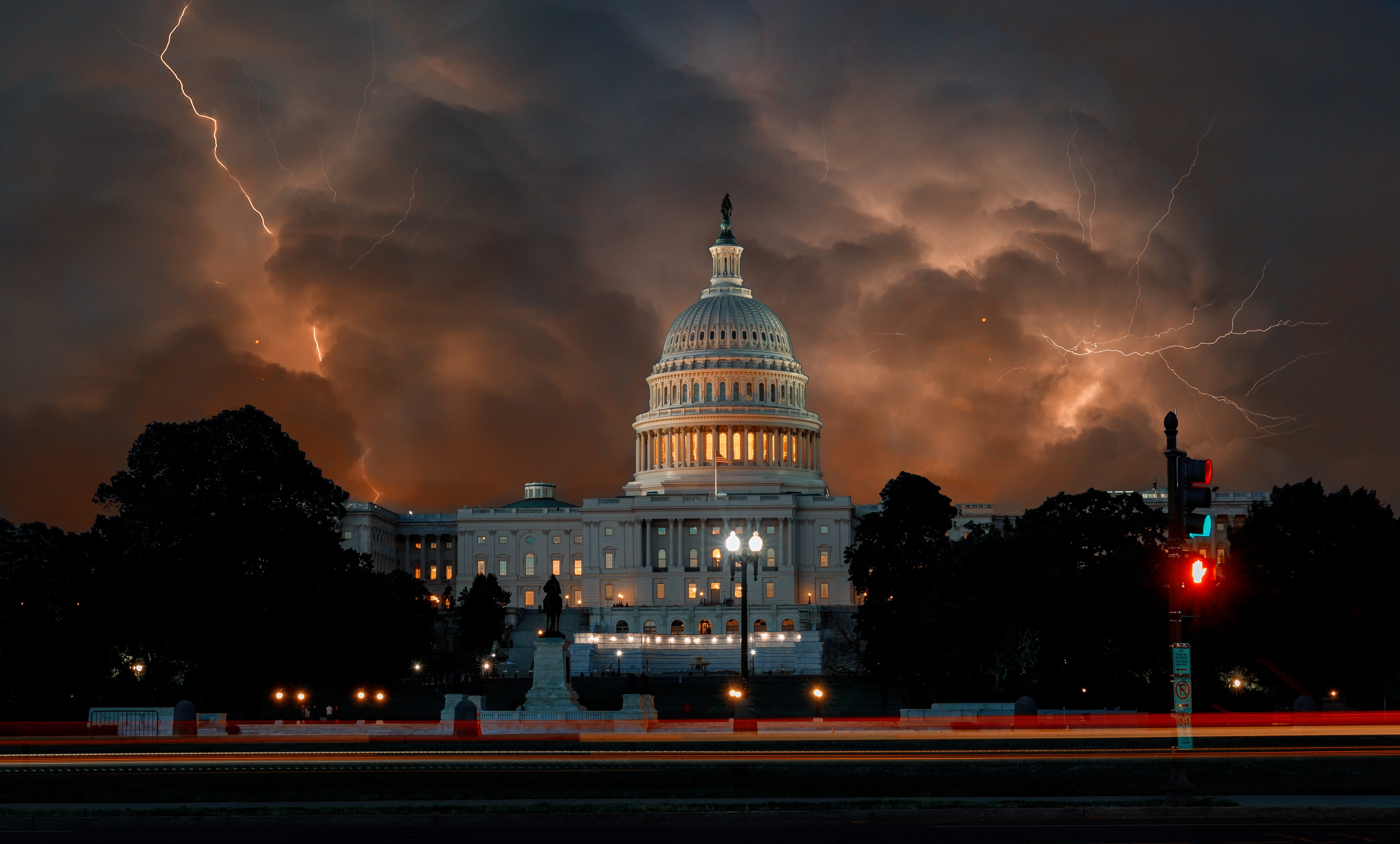
Federal Reserve Chair Jerome Powell delivered his semiannual monetary policy testimony before Congress over two days (NBC News, PBS, AP), maintaining a cautious wait-and-see stance on interest rates amid political pressure from President Trump and GOP lawmakers to ease monetary policy. Powell reiterated the Fed's position that the current 4.25%-4.5% range would hold until the economic impacts of Trump's tariff actions become clearer (Federal Reserve). He emphasized the U.S. economy remains strong with low unemployment and inflation below pandemic highs, but warned tariffs are likely to drive inflation higher in the second half of 2025, beginning with June data (Al Jazeera, TheStreet).
Markets responded by scaling back expectations for a July rate cut, with the US Dollar Index falling 0.3% during his House testimony and rate cut odds dropping from 22.7% to 18.8% (VT Markets, FXStreet). Powell noted the Fed remains flexible and could move “sooner rather than later” if inflation remains tame. Seven of 19 Fed officials now see no cuts in 2025, up from four in March, though the median outlook still anticipates two quarter-point reductions by year-end (CNBC). With Trump threatening to replace Powell and calling him "very dumb," the Fed's independence and data-driven posture highlight rising uncertainty around the interplay of monetary and trade policy heading into fall (BPF News).
Sensei’s Insight: When central banks become the shock absorbers for erratic fiscal moves, clarity becomes currency. Powell’s resolve signals that the Fed won’t trade its credibility for political convenience—a stance markets may increasingly reward in a summer dominated by tariff whiplash and data roulette.
🟡 Gold Flatlining in Sideways Consolidation Amid Geopolitical Cooling
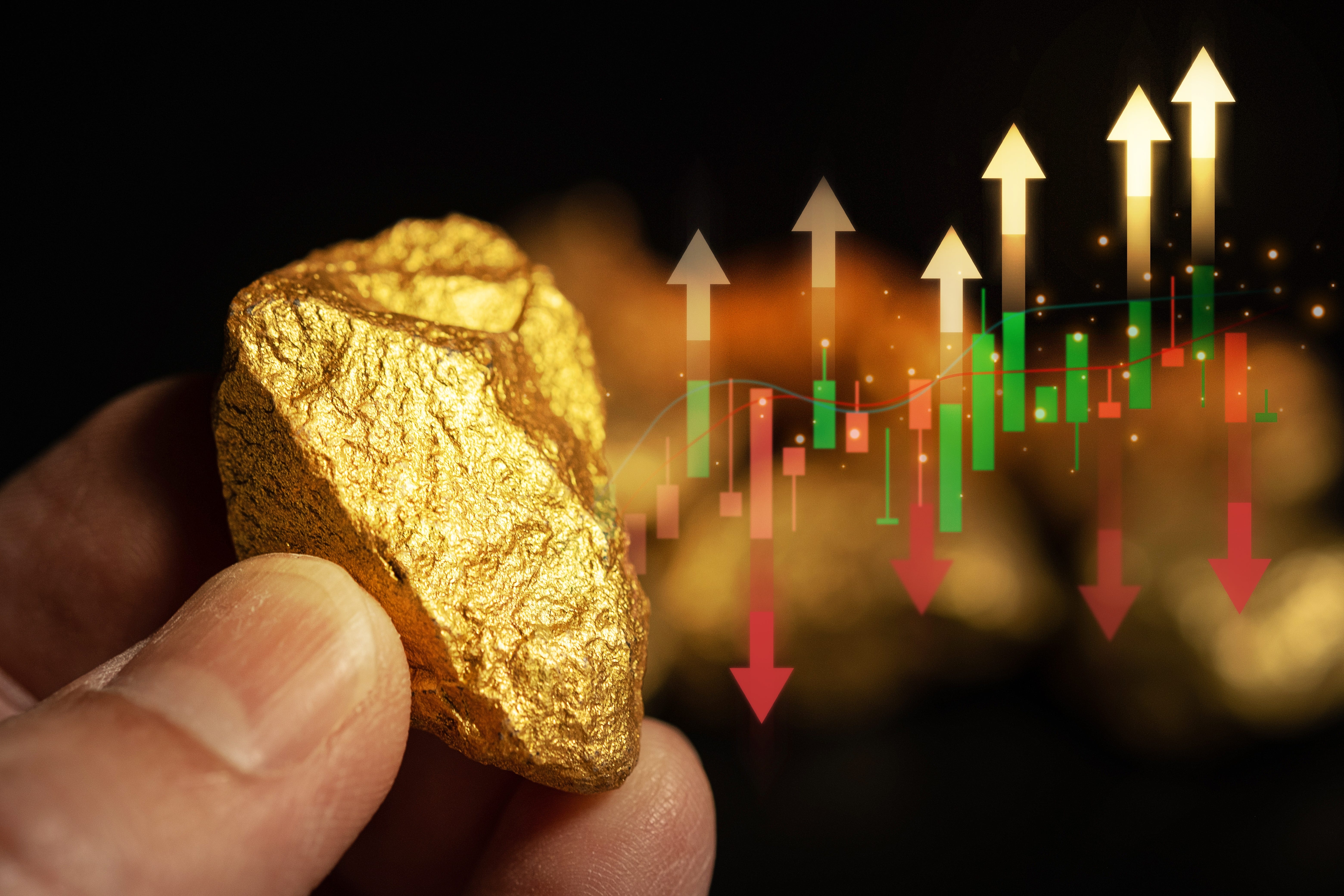
Gold prices are trading in a tight range around $3,300–$3,340 per ounce on Thursday, June 26, marking two consecutive sessions of muted price action as the precious metal struggles to find directional momentum (FXStreet, India TV News). The metal briefly touched support at $3,295 before settling near $3,325, with spot gold largely unchanged at $3,336.65 . This sideways consolidation follows a sharp decline earlier in the week when gold dropped nearly 2% below $3,300 after the Israel-Iran ceasefire announcement (Financial Express).
The yellow metal's recent weakness stems from reduced safe-haven demand following the holding ceasefire between Israel and Iran, which has now entered its second day (Bloomberg, Investing.com). President Trump's announcement of the truce effectively removed geopolitical risk premium that had supported gold's rally to record highs of $3,500 in April (DailyForex, Financial Express). Compounding the bearish sentiment, Federal Reserve Chair Jerome Powell reiterated during his two-day Congressional testimony that the Fed remains "in no hurry to cut rates," citing uneven inflation data and potential tariff-related price pressures appearing in June–July data (FXStreet, Investing.com). Despite a weaker dollar following Trump's criticism of Powell and speculation about a potential replacement, gold has failed to capitalize on the currency weakness (FXStreet, Investing.com).
Sensei’s Insight: When gold flatlines amid easing geopolitical tensions, it signals a tug-of-war between fading fear-driven demand and underlying bullish fundamentals. The current consolidation mirrors previous bull market pauses—what follows often hinges on either a flare-up in global risk or a dovish pivot by the Fed.
🔗 Connect with Us
Stay plugged in across platforms:
Sensei on X: sensei_crypto_
Martyn Lucas on X: MartynInvestor
Vaz on X: eVTOLHUB
💎 Premium Discord Access: Join the Discord
📺 YouTube Channel (Live & Replays): Martyn Lucas Investor
👕 Limited Merch: Shop Here

🤝 Meet the CEO: Jin Kang, WidePoint Corporation ($WYY)
Ahead of today’s live interview on The Martyn Lucas Show, I sat down with Jin Kang, CEO of WidePoint Corporation, to explore what retail investors might be missing about this overlooked cybersecurity and telecom lifecycle management firm.